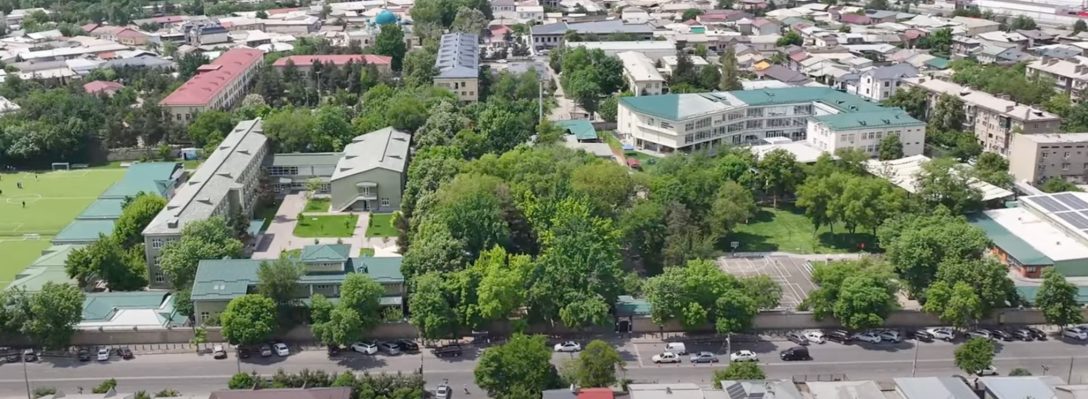

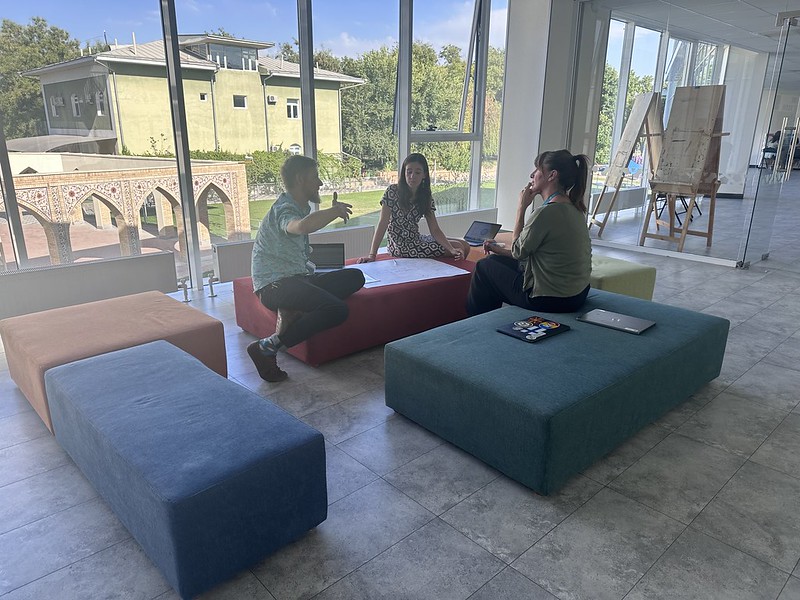
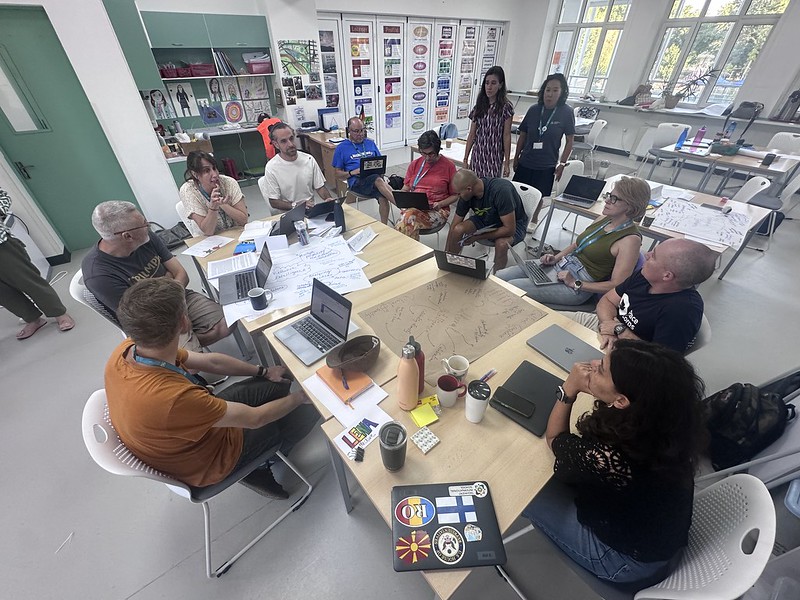
I completed the two-day “Leading an IB Education,” one of six IB Leadership Workshops. I would like to thank the trainer, Seden Chouseinoglou for leading 24 of us. It was a good refresher for me to continually educate our families on the uniqueness and positive aspects of an IB education. The other big idea for me is that “language is the gateway to culture” and I need to work harder on learning Russian.
Inquiry #1 What are the aims of an IB Education?
- International Mindedness (local and global outlook)
- Learner Profile (personal characteristics)
- Broad, Balanced, Contextual, Connected (type of curriculum)
- Approaches to Teaching and Learning (methodology)
Reflection – This workshop is a good reminder that we need to continually educate our parents, employees, and students about the impact of an IB education on our students. Further Study – I would like to read more about the IB Leadership Intelligences.
Inquiry #2 What Does It Mean to be Human?: This section focused on the IB Learner Profile, which are traits that make us human. Let’s see if I know all of them. Knowledgeable, Thinker, Inquirer, Carer, Risk Taker, Communicator, Principled, Balanced, Reflective. The best definition of the learner profile is as follows:
“The IB learner profile represents a broad range of human capacities and responsibilities that encompass intellectual, personal, emotional and social growth. Developing and demonstrating the attributes of the learner profile provides an important foundation for international-mindedness. The learner profile supports students in taking action for positive change.”(PYP: From Principles into Practice, The Learner 2018)”
Reflection: Son, Brother, Husband, Father, Friend, Grandfather (hopefully). :::: Friend, Student, Teacher, Colleague, Mentor, Memory (Write a 6-word essay, in the style of Ernest Hemmingway, for your reflection on the Learner Profile)
#5. How do leaders focus learning around the key principles of IB curriculum design? This section focused on the IB curriculums (learning plans). It is more “concept-based” than memorizing facts. Concepts are ideas (skills/knowledge) that students can use their entire lives, or in other words, transferable, big ideas. The trainer referred to the term, 3D curriculum, which means teaching beyond facts. Lynn Erikson is a well-known educational expert who consulted on the new MYP curriculum. The IB Key Concepts are function, form, change, responsibility, perspective, connection, and causation. She shared the video Dove Real Beauty Sketches to use as a prompt to discuss these key concepts. Rob shared with us that the IB thinks of the continuum of the thee academic programs as this: PYP is transdisciplinary, MYP is interdisciplinary, and DP is disciplinary. Two videos were used by the PYP group to humorously show how a concept-based education is better than a content-based education. 5 Minute University and Are Our Children Learning Enough About Whales?.
#6 How do leaders nurture Lifelong Learners?
Students build learning through starting close and then transferring the skills to new contexts. This is a constructivist approach to education. A good activity is drawing the back of your hand with parents.
| local context | global context |
| concrete | abstract |
| self | others |
| known context | unknown context |
| familiar | less familiar |
| act locally | think globally |
| comfortable | uncomfortable |

 TIS Director's Blog
Published by