
School leaders have demanding jobs. A board meeting to prep for, budget reviews to finalize, parent concerns to address. As head of school at Tashkent International School, my calendar is always full of urgent meetings and tasks. So when our Grade 9 students packed their gear for a camping expedition in the Chimgan Valley, the practical side of my brain whispered: Stay at school. There’s too much to do. I went anyway. And I’m glad I did.
Today’s teenagers are drowning in digital distractions. Social media algorithms compete for their attention while screens dominate their waking hours. As educators, we’re witnessing anxiety levels spike and attention spans shrink. Something had to change.
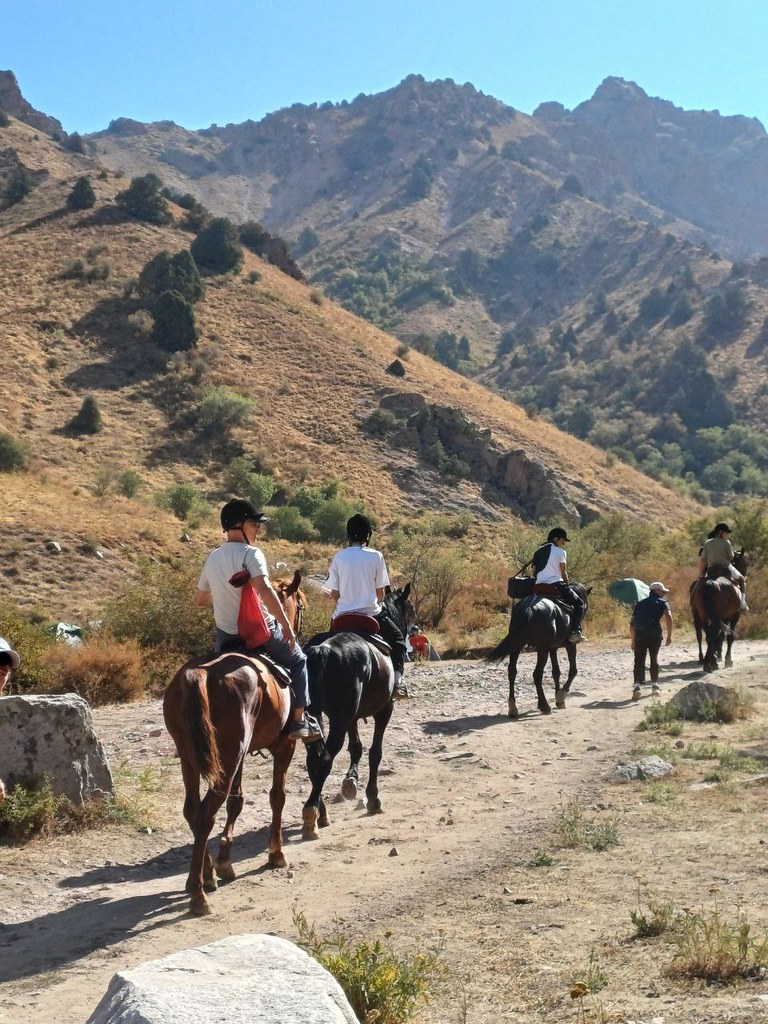
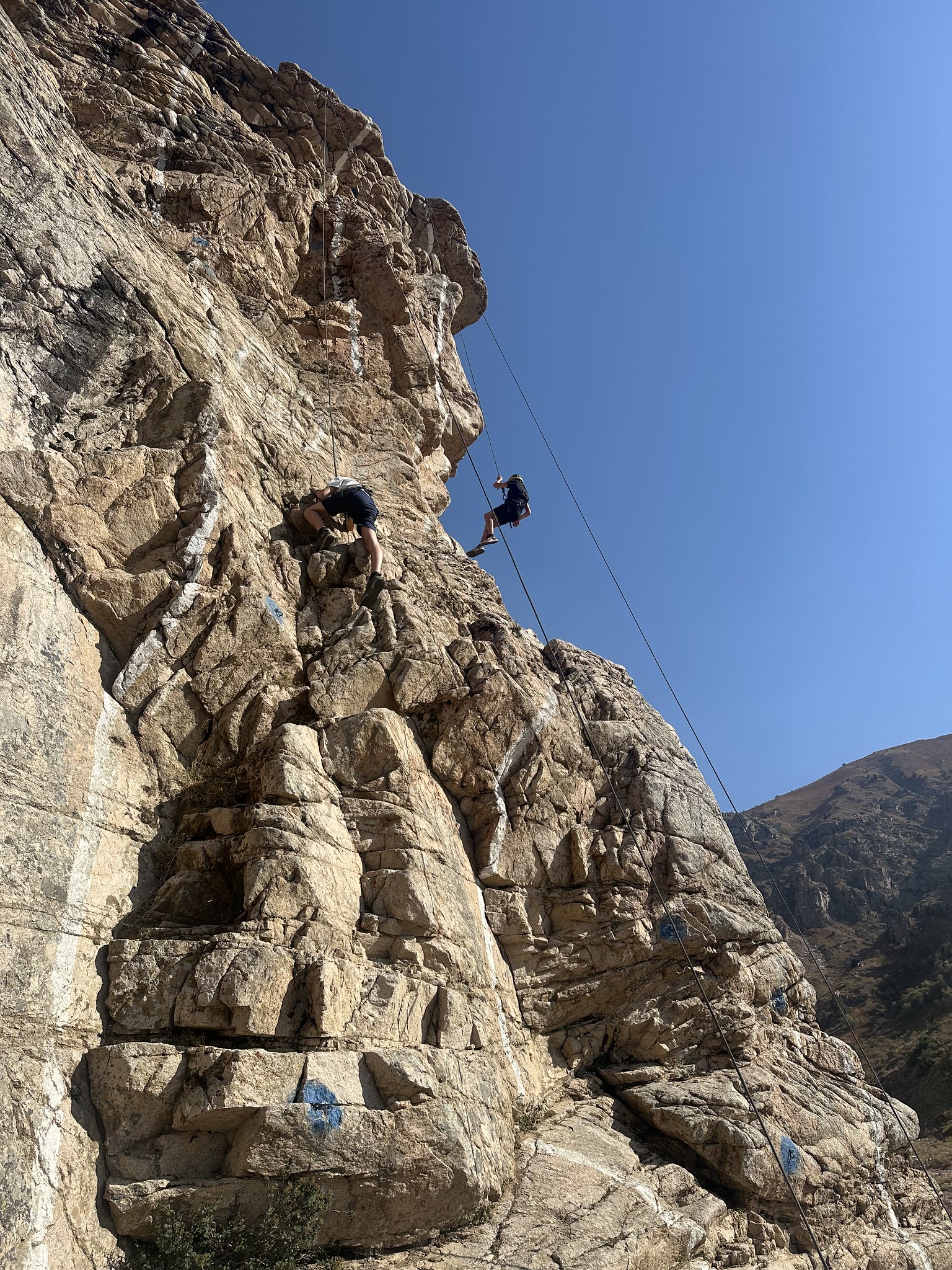
That’s why I brought experiential education to TIS—not as a luxury add-on, but as essential medicine for the digital age. We transformed our traditional “School Without Walls” program from comfortable hotel stays and museum tours into something far more challenging: camping under the stars, hiking rugged mountain trails, learning archery, rock climbing, and white-water rafting in Uzbekistan’s majestic wilderness.
The Tahoe Expedition Academy calls it “Constructive Adversity”—a simple but powerful three-step process:
Challenge: Present students with a meaningful task that pushes their boundaries, complete with proper safety protocols and skill-building.
Experience: Guide them through something that tests them emotionally, physically, and mentally.
Reflection: Help them process what they’ve learned and how they’ve grown.
This isn’t about manufacturing artificial hardship. It’s about creating authentic challenges that build the resilience and self-confidence our students desperately need.
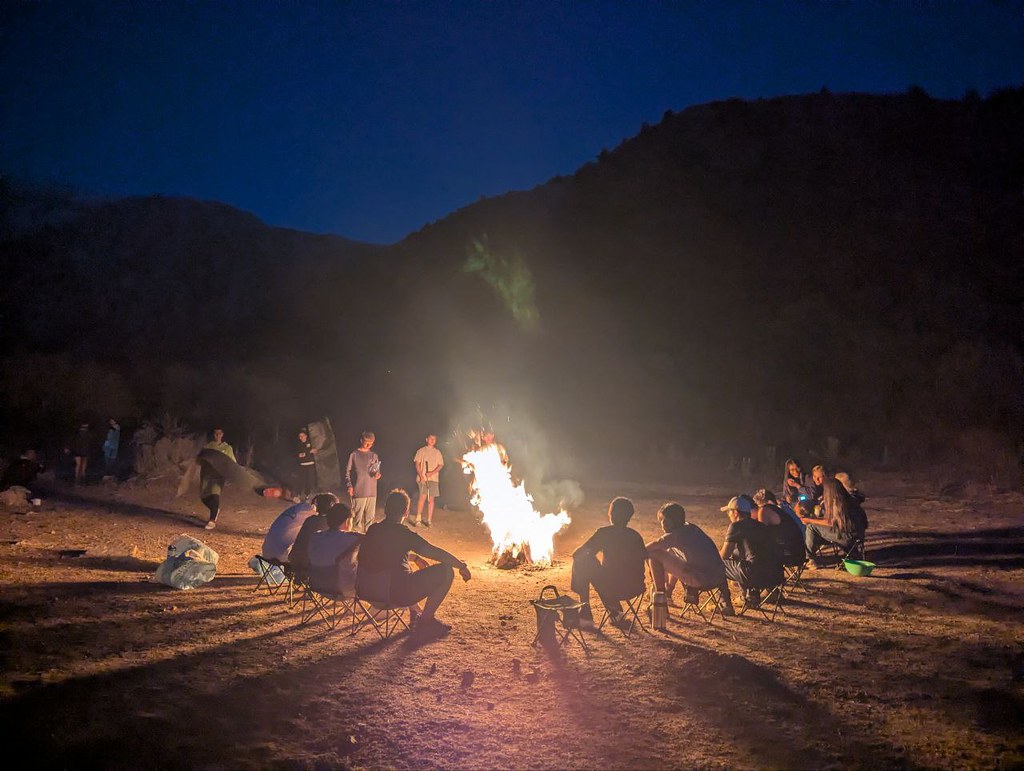
Sleeping in a tent isn’t heroic leadership, but it sends a clear message: the expectations we set for our students and faculty apply to everyone, including me. Between our Adventure Program and School Without Walls trips, our teachers regularly trade comfortable beds for sleeping bags and rustic accommodations. If I’m asking them to embrace discomfort for the sake of student growth, shouldn’t I be willing to do the same? Don’t get me wrong—I love camping and the outdoors. The challenge isn’t sleeping on the ground; it’s carving out time from an overloaded schedule.
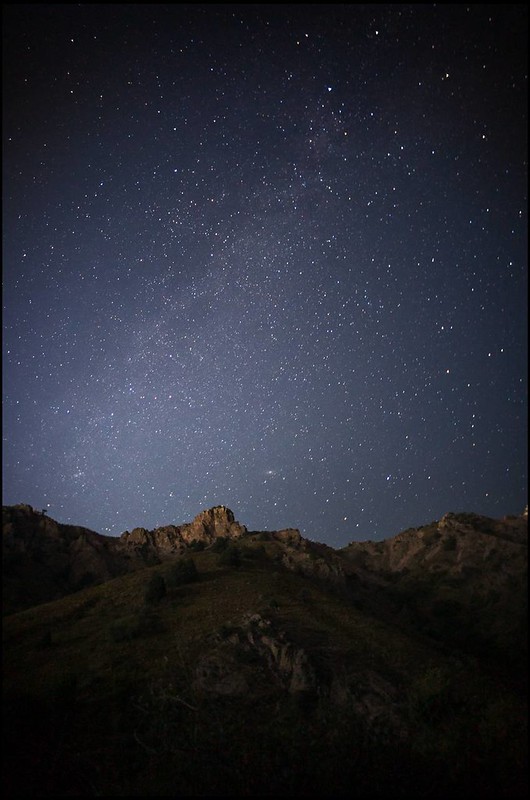
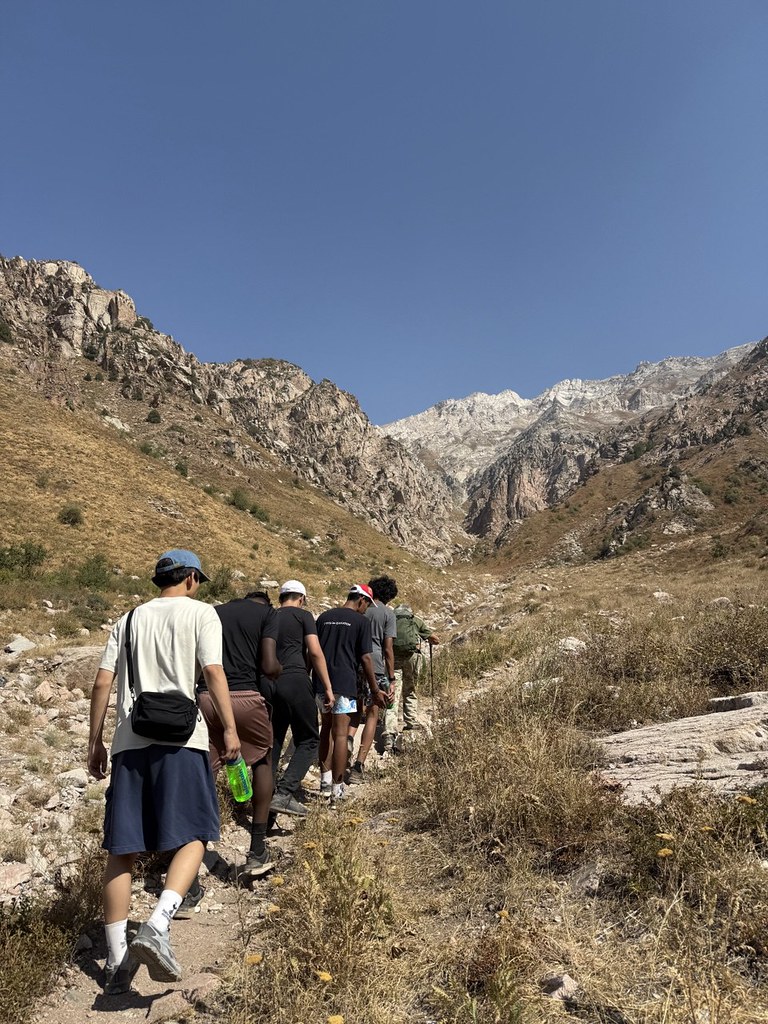
But then it happens. You’re in a gorgeous mountain valley near Chimgan village, and you watch a student overcome their fear to reach the top of a cliff face. You talk with a student who’s never slept in a tent before, watching them discover they’re braver than they thought. These moments don’t happen in boardrooms or budget meetings. The thrill in their eyes, the pride in their voices, the way they carry themselves differently after conquering something they thought impossible—this is why we do what we do. This is education at its most transformative.
These aren’t just feel-good stories—they’re evidence of what happens when we give young people real challenges in real environments. The mountains don’t care about your GPA or your social media following. They demand presence, courage, and authenticity.
I’m reminded why experiential education matters so much. In a world that’s increasingly virtual, our students need visceral, authentic experiences. They need to learn they can do hard things, sleep under unfamiliar stars, and discover the strength they didn’t know they possessed. The emails will still be waiting when I return. The board meeting will still happen. But the look on a student’s face when they realize they just did something they thought was impossible? That’s irreplaceable.
Sleeping in a tent is not a heroic leadership act, but if we are committed to outdoor education, the head of school should have the same expectations we have for our students and faculty. Between the School Without Walls and our Adventure Program, many of the faculty “rough it” through camping or rustic accomodations. I love camping and the outdoors, so for me it is not a big deal. It is tricky for me to find the time in my calendar to go on some of these trips, and especially this week with a board meeting on the schedule. That concern faded away as I spent time with our grade 9 students in a gorgeous mountain valley near the village of Chimgan. Experiencing the thrill of a student conquering his apprehension and climb to the top of a cliff or talking with a student that has never slept in a tent, makes is all worthwhile.
The effort and care the chaperones put into these trips was first class. The amount of planning and work that go into taking over 300 students into the mountains at various locations, and most importantly, bringing them back safely and feeling it was a worthwhile experience, often goes unnoticed by people. Thank you to the faculty and staff of TIS!
That’s why this head of school sleeps in tents.

 TIS Director's Blog
Published by