

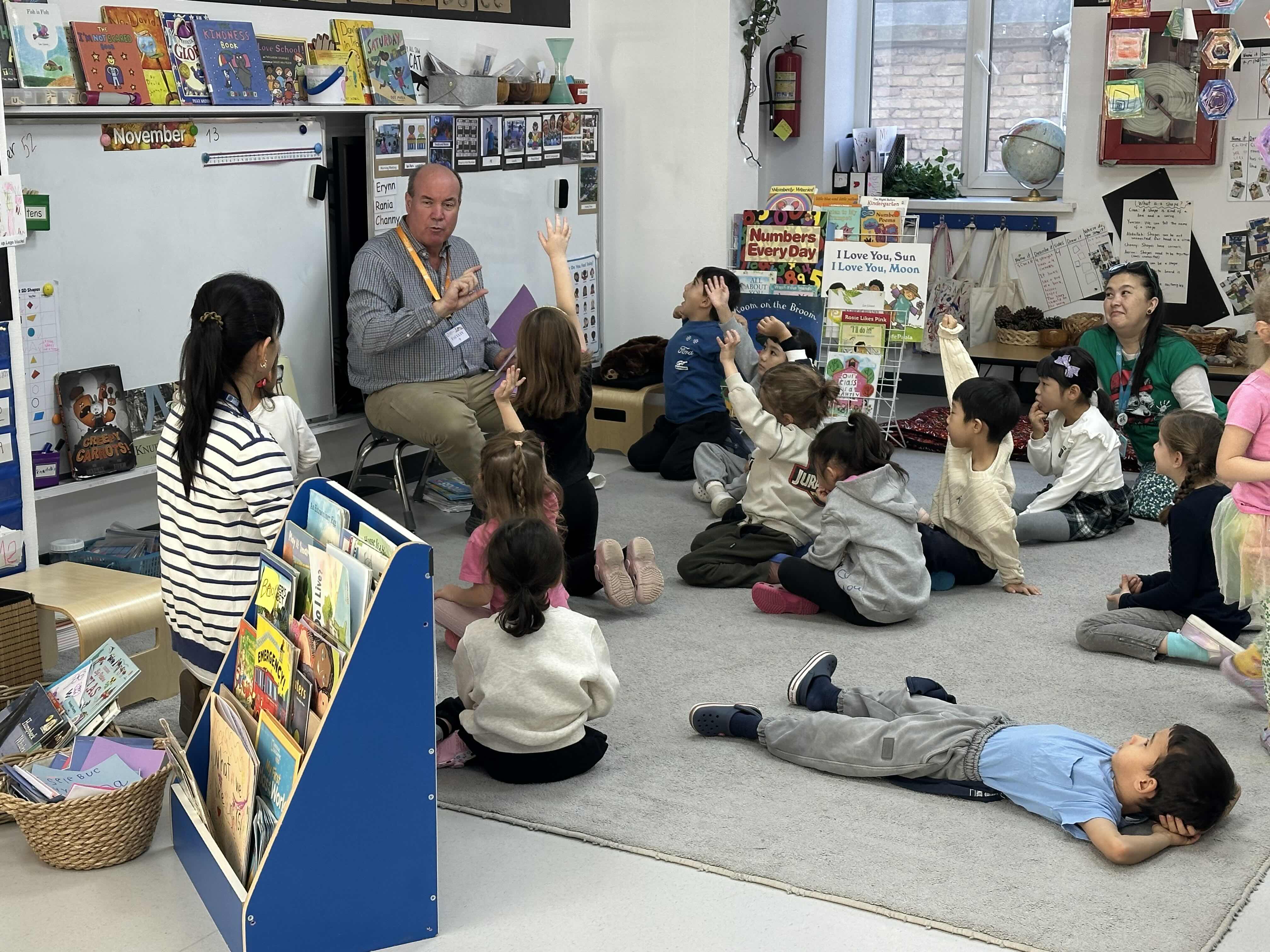
Spending a week with literacy consultant Matt Glover has uplifted my view of the future of literacy, especially writing. I see students and adults reading and writing less and less as video (YouTube, Netflix) and podcasting/social media are taking over from the written world. It feels old-fashioned to sit and write a book. Glover elaborated using scripts and transcripts of auditory/video narratives. I like the idea of pushing students to move from consumers to producers of digital media.
Matt Glover is an internationally recognized literacy consultant. He focuses on nurturing writers, early childhood reading, language composition, and supporting children’s intellectual development. He has plenty of examples and research from his over 20 years in Ohio (USA) elementary schools. Glover is the author
“Published Stacks” Glover is a big proponent of exposing students to published works of the types of writing they are learning. In PS to grade 3, the dominant “published stack” is storybooks or picture books. That is the majority of what elementary students should be writing during this time of their lives. He points out teachers ask the students to write single paragraphs or informational reports when these are not published works in real life.
“Genre Study vs. Craft or Process Study” He sees schools only doing genre studies year and year, instead of focusing on the craft and process of writing, so students can choose genres that matter to them. (ex – What are the three most powerful revisions you made in this work?) “craft” is punctuation, illustration, “process” is revise or talk with others about writing
Schools need to look at the entirety of a student’s writing units over time to avoid over-repetition. School writing programs that schools can buy off the shelf do not have craft and process studies.For example, one student was so happy that there were no Memoir Writing classes, because she had studied memoir for four years in a row. The student was the only one to know.
“Reading Like a Writer” Isabella’s page below in her book is the “page you never read”. This is her interpretation of the copyright page. The teacher never explained what it was to the students. Isabella included it in her books because she saw this in all the books the teacher read to the class. A subtle difference is “reading like a teacher of writing”. Matt took a text and asked, “What do you notice?” “What did this author do?”
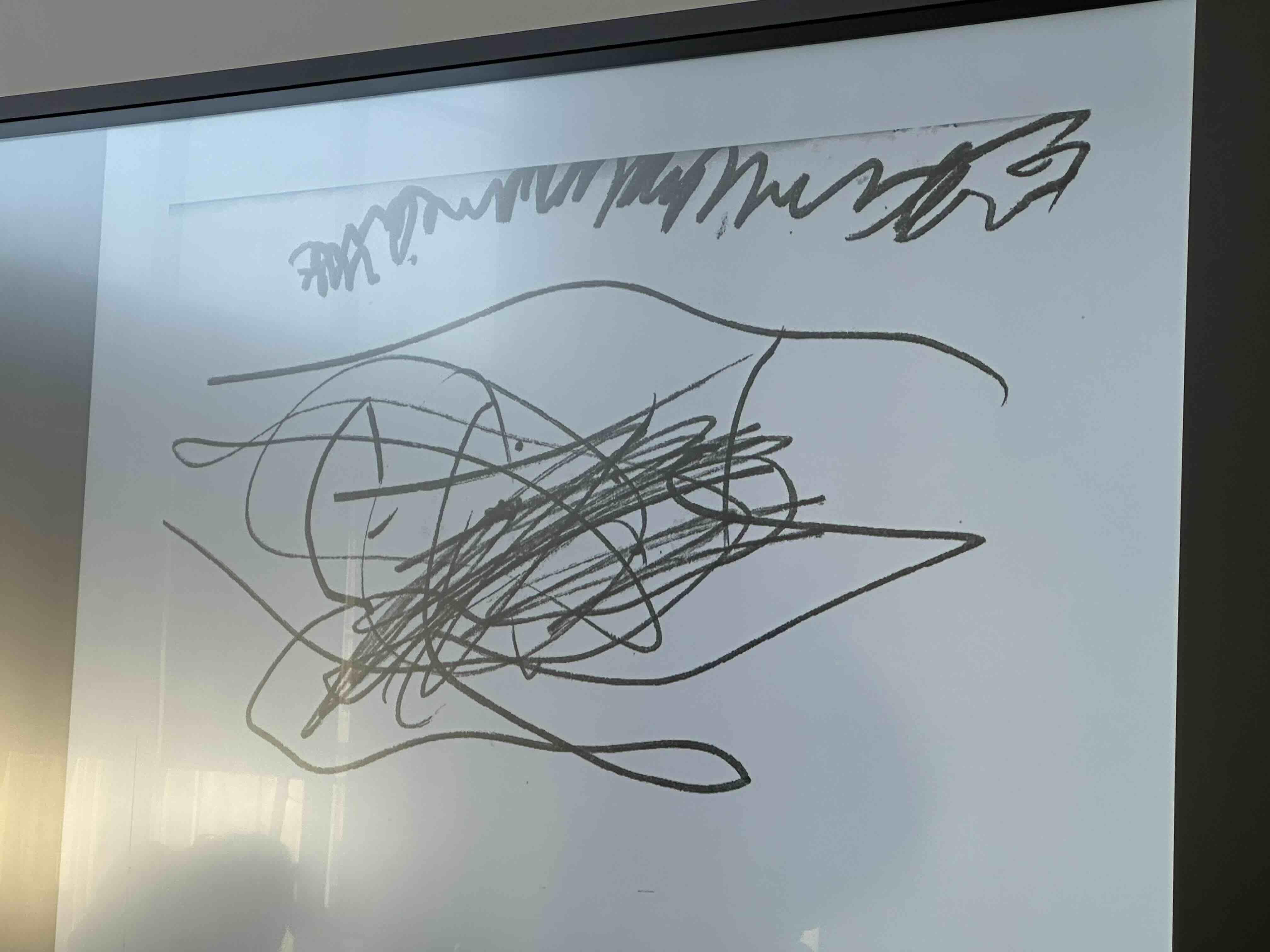
“dialogue tag” This indicates who is speaking. Glover’s point is adults overlook or take for granted the writer’s craft. Dialogue tags can be quotations or Jabari said either before or after the quotation.
“stack considerations” The process of a teacher determining what published examples to share with a class. Matt categorizes the stack with ALL / MOST / SOME. “ALL” means most important idea, central to the unit “Most” important for most of the students in the class “SOME” have an example of a particular technique/characteristic All teachers have a “go to” example book that they know extremely well and they don’t have to flip around to find a teaching point example. Students are co-constructing the success criteria by looking at what ALL of the stock examples have.
I would like to thank Matt and the TIS elementary leadership team that brought him here and organized a great week of professional development for the faculty.

 TIS Director's Blog
Published by