

I recently completed Stanford University’s COM 101 “Communication Essentials for Work and Life” as part of my ongoing professional development. Matt Abrahams is a professor at Stanford University Graduate School of Business and the host of the Think Fast, Talk Smart podcast. As the head of school, communication is the majority of my work, whether it be to larger internal and external groups in formal presentations and speeches, leading school teams, and interpersonal communications in all my professional relationships. It was good to rethink how I communicate with others and improve my skills.
Abrahams asked his friends to provide guest lectures, and four stood out in particular. I am using this blog post to consolidate my learning and something I can go back to for future reference.
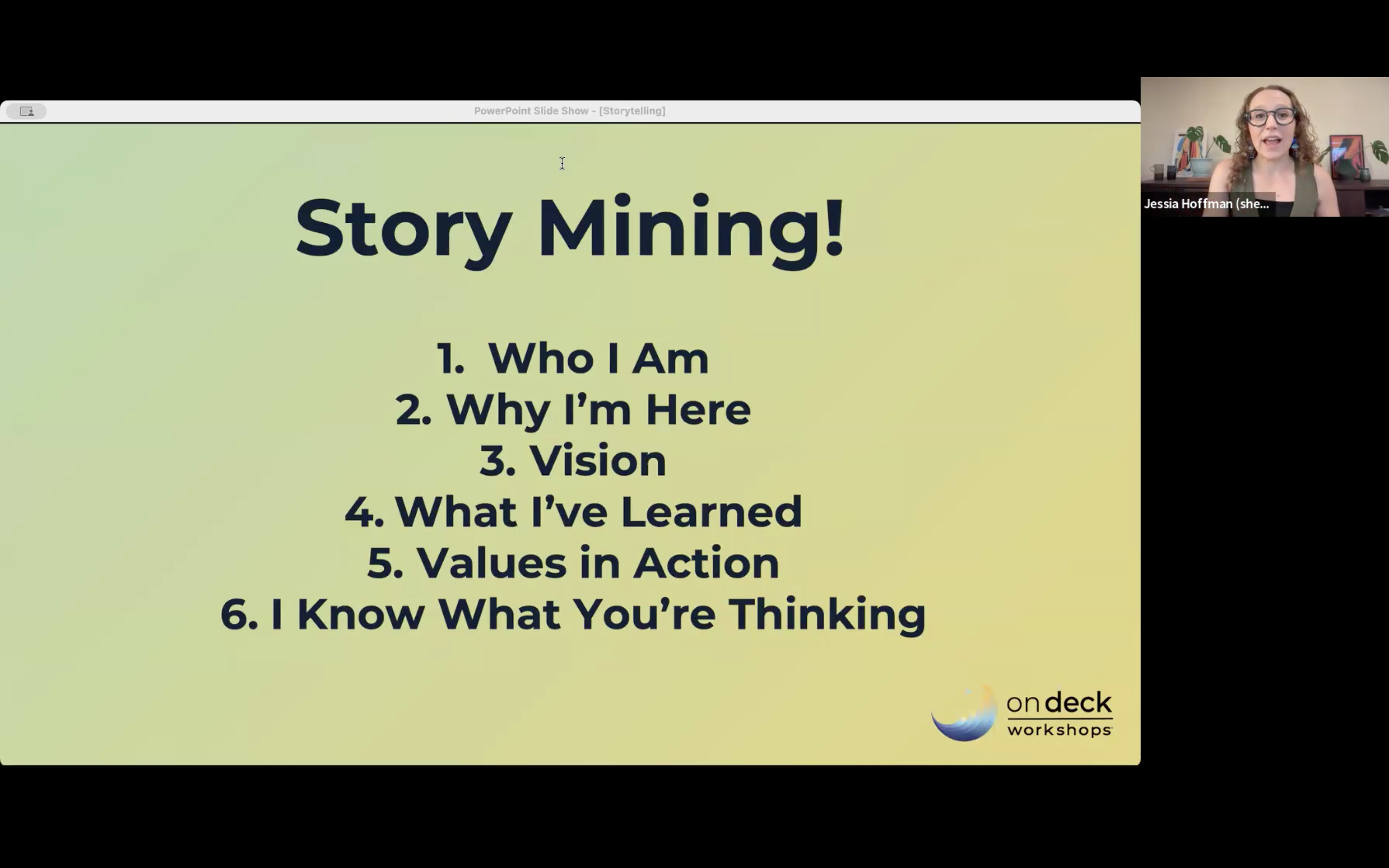
Jessia Hoffman is a Bay Area leadership consultant (On Deck Workshops) who specializes in incorporating Improvisation in teaching and leadership. My big takeaway from this workshop is that humans are hardwired to tell and listen to stories. Using stories increases student/employee engagement and learning. The Stanford Storytelling Project incorporates storytelling in its community. I don’t know why more international schools have a similar initiative. Teachers and students using stories to learn and create change is powerful! A byproduct is also stronger relationships. Stanford University thinks it is such an important part of a learning community that they have a permanent initiative. I know this was “hot” in education years ago, but Hoffman’s workshop inspired me to bring it back. It would be a great start to my leadership at my new school to do this workshop, for colleagues to get to know one another and improve teaching and learning. She did two activities that I thought were valuable.
The first was “The Story of My Life” which goes like this:
- With a partner, tell the story of your life in 1 minute.
- Tell it again, not using anything you said the first time.
- In the third round, use “What Matters to You” if stuck.
- For homework, write the Story of Your Life ten times using 5-7 sentences per story.
The second activity was “Port Key“. Participants use a random physical object to transport you to another place, like in Harry Potter series. For example, Jessia gave Matt the word “mango” and he told a story of falling in love with his wife while eating mango-flavored “Flogo” yogurt. In his story, the restaurant was “downtown,” and he gave that word to Jessia who told a story. This is a good way to get to know one another and practice your storytelling skills.
The next valuable workshop was led by Joel Schwartzberg, a workplace communications coach, speaker, and speech writer. My big takeaway from his workshop, “Getting to the Point: Simplify, Sharpen, and Sell Your Most Important Ideas” is that to make an impact with your communications, you need to have a crystal clear POINT. Schwartzberg defines a point as a case or recommendation to make your audience feel, think, and/or do. In his consultive work, he says most people are not clear with their main message. He gives techniques to “sharpen” and deliver your point. I will use his ideas of increasing my volume when I speak, not being afraid of pausing, and know the difference btween telling and selling your story.
Carol Robin teaches the most popular Masters of Business Administration course, Interpersonal Dynamics, aka “the Touchy, Feely course”. The class and this workshop is based on her book, “Connect: Build Exceptional Relationships with Family, Friends, and Colleagues.” The “touchy,feely” reference is the emphasis on feelings and emotions. Her advice on giving Feedback, was insightful and useful. I created this diagram below in Canva.
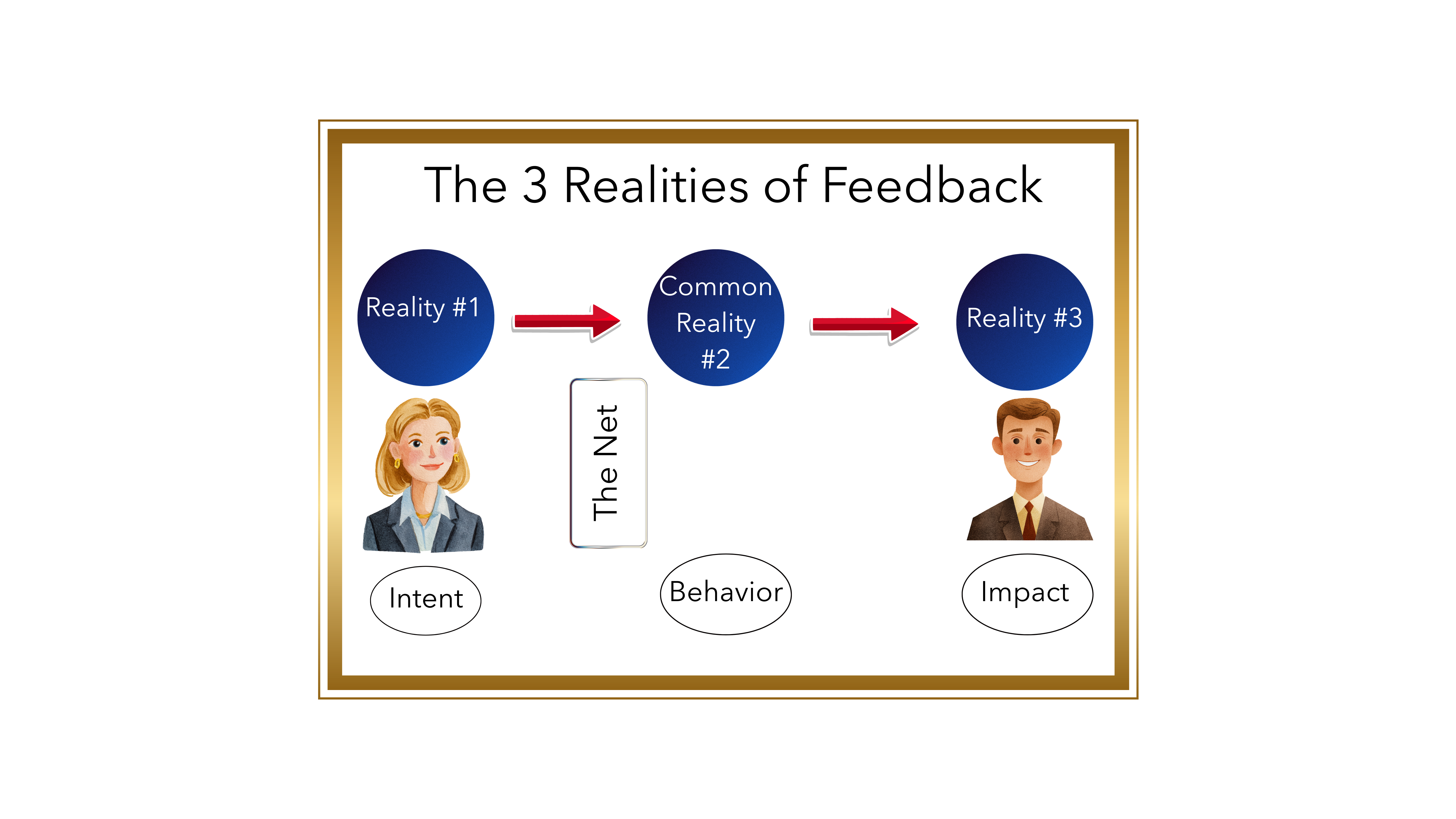
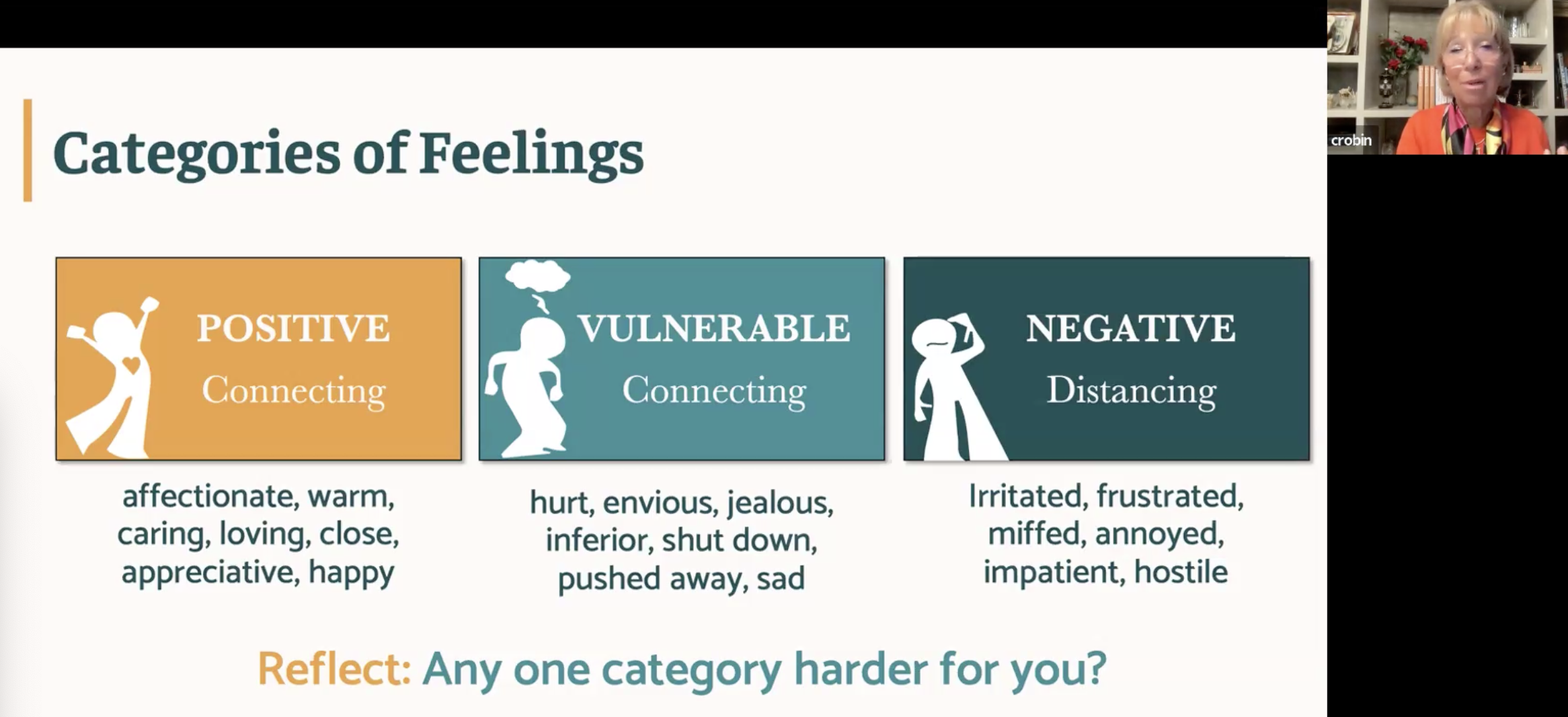
Robin’s advice is when giving feedback is to focus on #2 (behavior) and #3 (your feelings) NOT on your guess of the intent. Do not say “I feel that you…”, instead, say “When you (behavior #2), I feel (impact #3). STAY ON YOUR SIDE OF THE NET. She also shared the framework for categorizing feelings below. Often when colleagues are demonstrating Negative feelings that distance relationships, they are masking Vulnerable feelings such as fear or hurt. She also used the word “pinches” to describe those little things that people do that annoy you. It is important to address these before they grow into something larger.
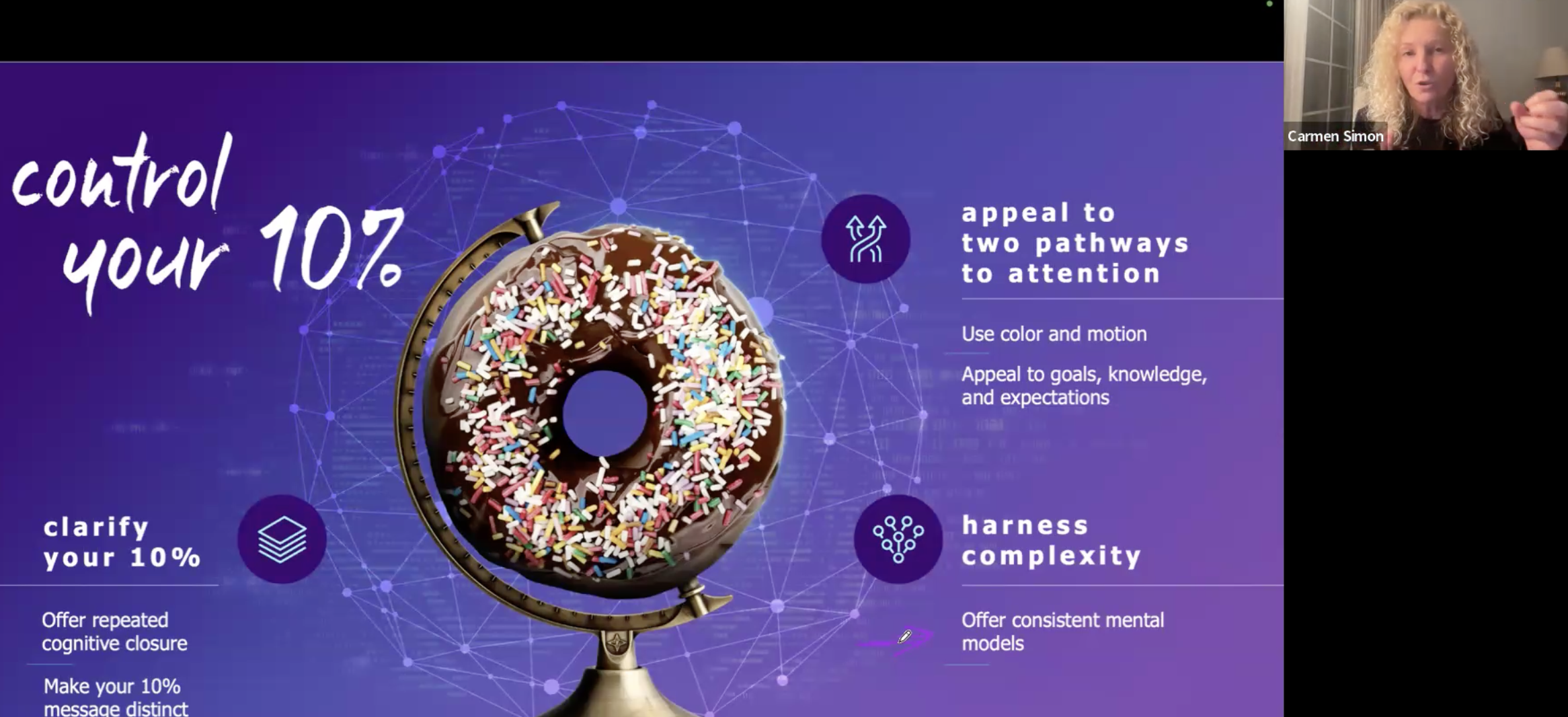
The final workshop I liked was by cognitive neuroscientist Carmen Simon “The Neuroscience of Memorable Content”. She reminded me that audiences forget 90% of what you present within 48 hours. What do you want your audience to remember 48 hours and beyond? CLARIFY YOUR 10%. My takeaways from her was to not be afraid of Repetition. It is OK to repeat your main point in distinct ways several times throughout your presentation. Her other message was the control the focus while “harnessing complexity”. The audience will get board from too simple of a presentation, the human brain likes making sense of complexity. Keep your 10% main message simple and have a large volume, diversity and interdependent concepts/things in your presentation.

 TIS Director's Blog
Published by