

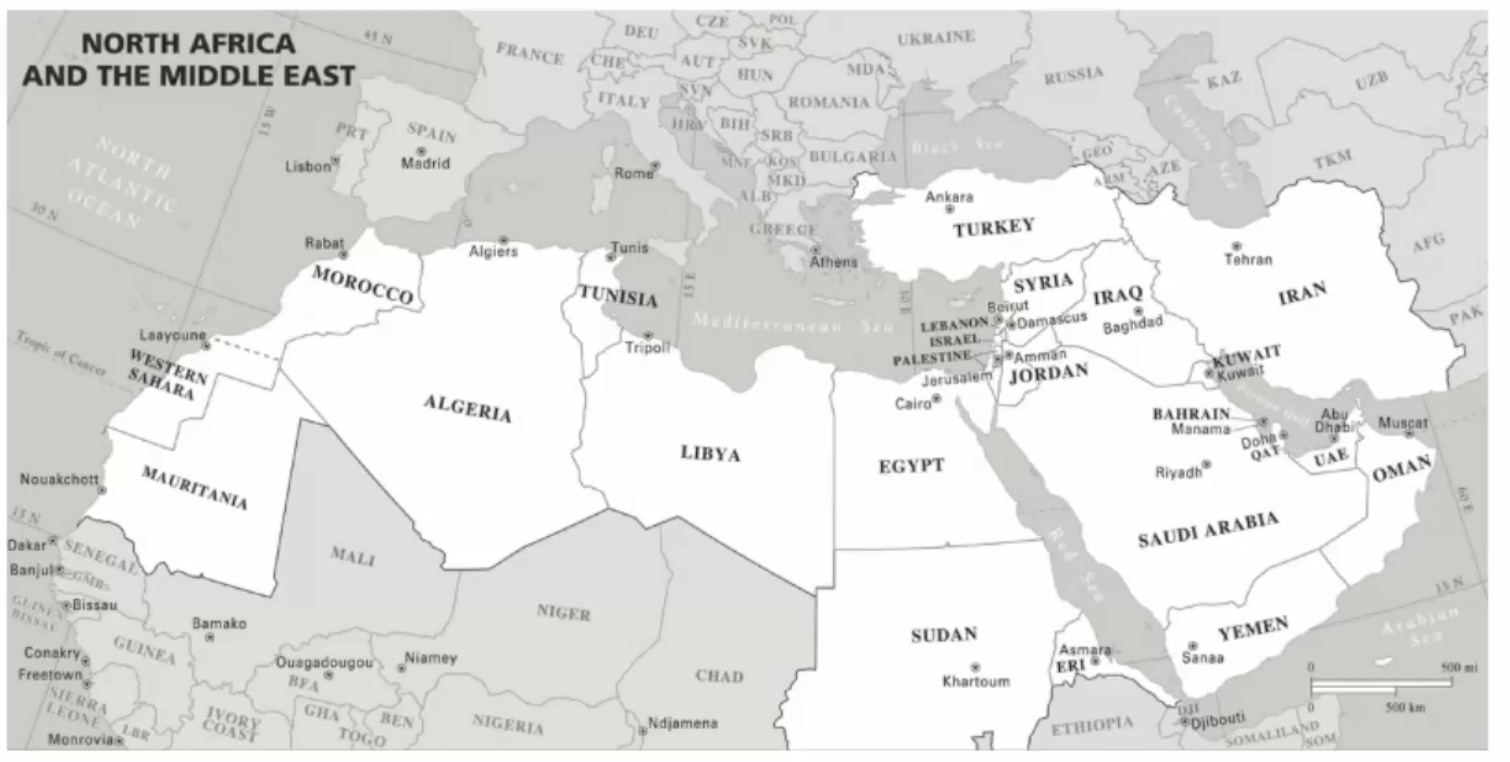
I think it is important for an international school director to understand the history and culture of the host nation. I am taking Stanford University’s Political Science 177, “Demystifying the Middle East” to prepare for my transition to Egypt. In the first lesson, the professor gave a good explanation of the differences between the two major traditions of Islam, Sunni and Shia. After Muhammad’s death in 632CE, the elders gathered and named Abu Bakr to take over the movement. While this was happening, Ali, his cousin and the man closest to Muhammad, was preparing his body for burial. A group of his supporters advocated for Ali to be named the first Caliph or Imam, as the Shia call their leader, after the death of Muhammad. That started the split between Sunni and Shia Muslims.

I didn’t know that Ali eventually became the fourth Imam/Caliph. This was a turbulent time as Muhammad’s group was militarily trying to control the Arabian Peninsula. Ali was assassinated in 661, his reign only lasting 6 years. Ali’s son Hasan, took over as the fifth Caliph/Imam after his death. Hasan abdicated to avoid more Muslim deaths in the series of civil wars. The definitive split occurred in 680 in Karbala, Iraq, when Sunni forces definitively defeated Shia forces and took over, beheading the Imam Husayn and starting the hereditary Umayyad Caliphate.
I found this course a bit dry and I already know quite a bit about the region, I hope it picks up as we go along. I did note a few ideas/facts/things to explore.
- I wonder what the Middle East would be today without Islam. The Sasanian Empire (224-651 CE) were Persians who practiced Zoroastrianism. What would that religion look like today?
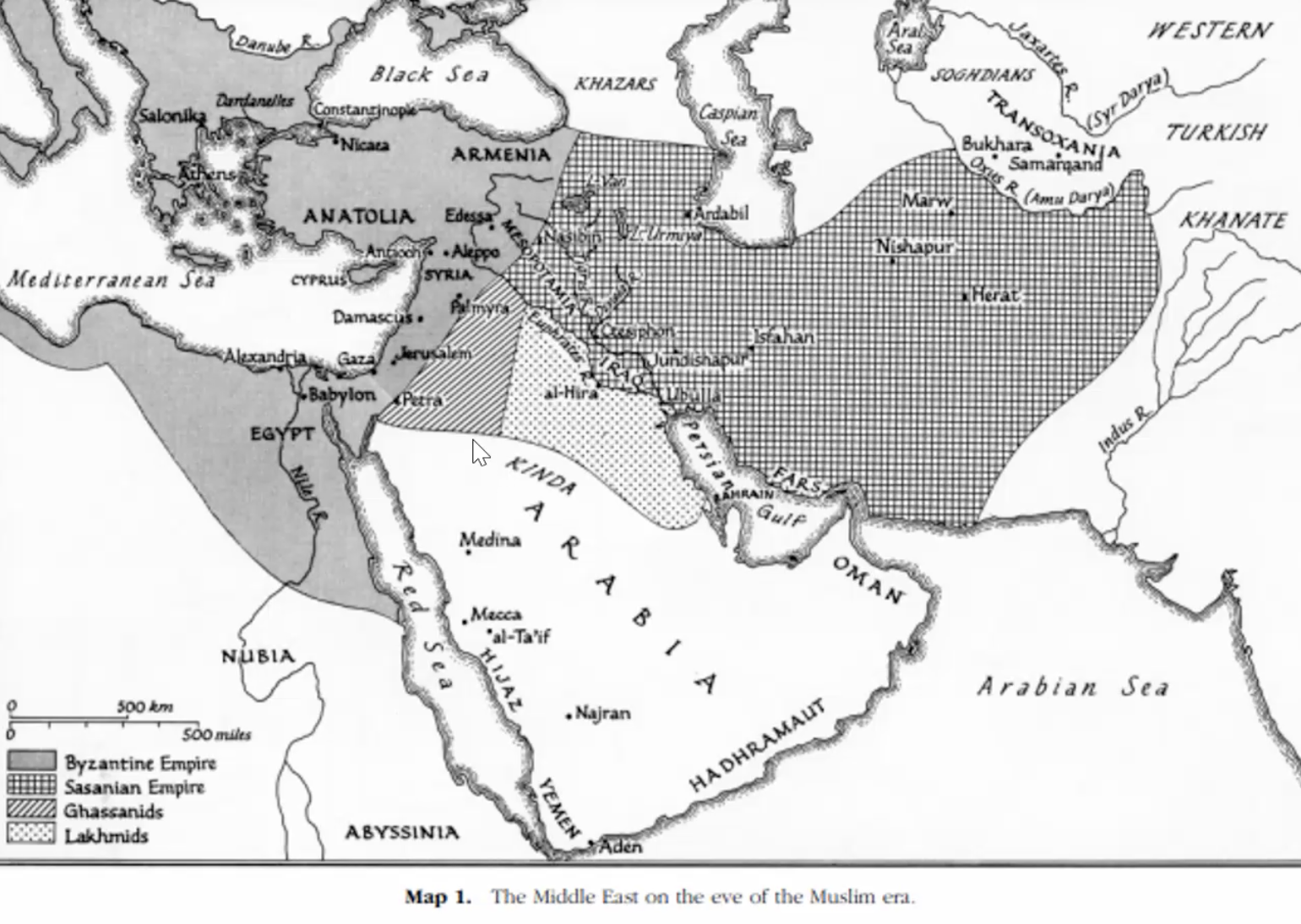
- The Muslim lunar calendar is in the year 1477 (549 years behind) and “islam” means submission to with will of God
- The five pillars of Islam are 1) prayer 2) Koran 3) alms 4) fasting 6) Hajj
- We watched a short from the 1976 movie starring Anthony Quinn “The Message” about the start of Islam.
- It is really difficult to translate the Arabic of the Koran. It is above a Shakespearean level of Arabic.
- Sharia law is used in divorce, death, marriage situations and not practiced widely.
| abū / abī | father of |
| umm | mother of |
| ibn / bin | son of |
| bint | daughter of |

 TIS Director's Blog
Published by