My Current Thinking on Artificial Intelligence

There are no reliable figures for how many students use A.I., just stories about how everyone is doing it.Illustration by Tameem Sankari -(courtesy of the New Yorker)

I find myself using Artificial Intelligence more and more. I am using it as a thought partner, fact checker, editor, researcher (no more Google Searches), idea and question generator, etc. It is amazing how fast I and millions of others have gone from no AI use to having it become a constant companion. I read in the article, “Everyone Is Using AI for Everything. Is That Bad?” New York Times Special – June 16, 2025, that Chat GPT is the sixth largest website on Earth and 43% of Americans in the workforce use generative AI.

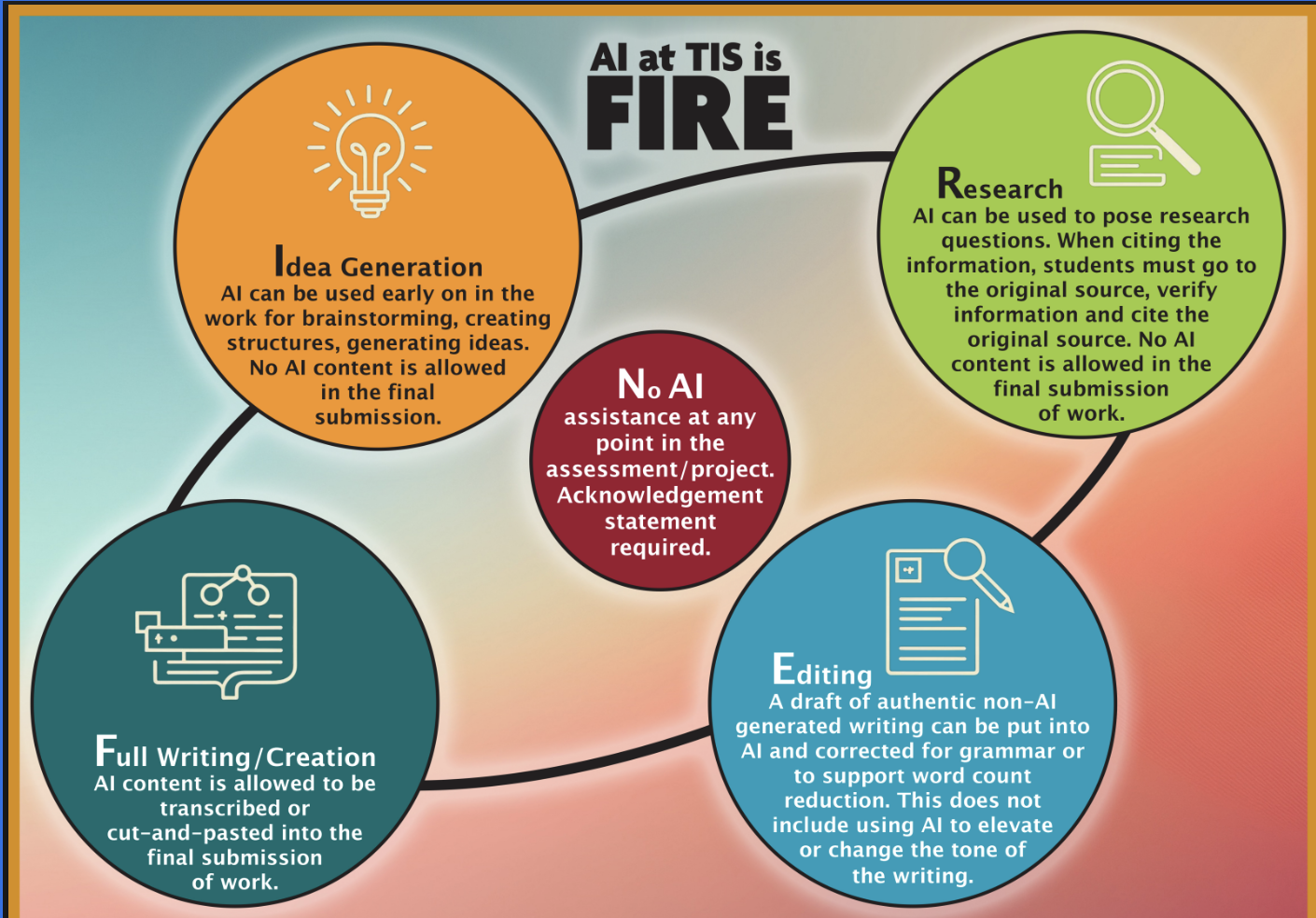
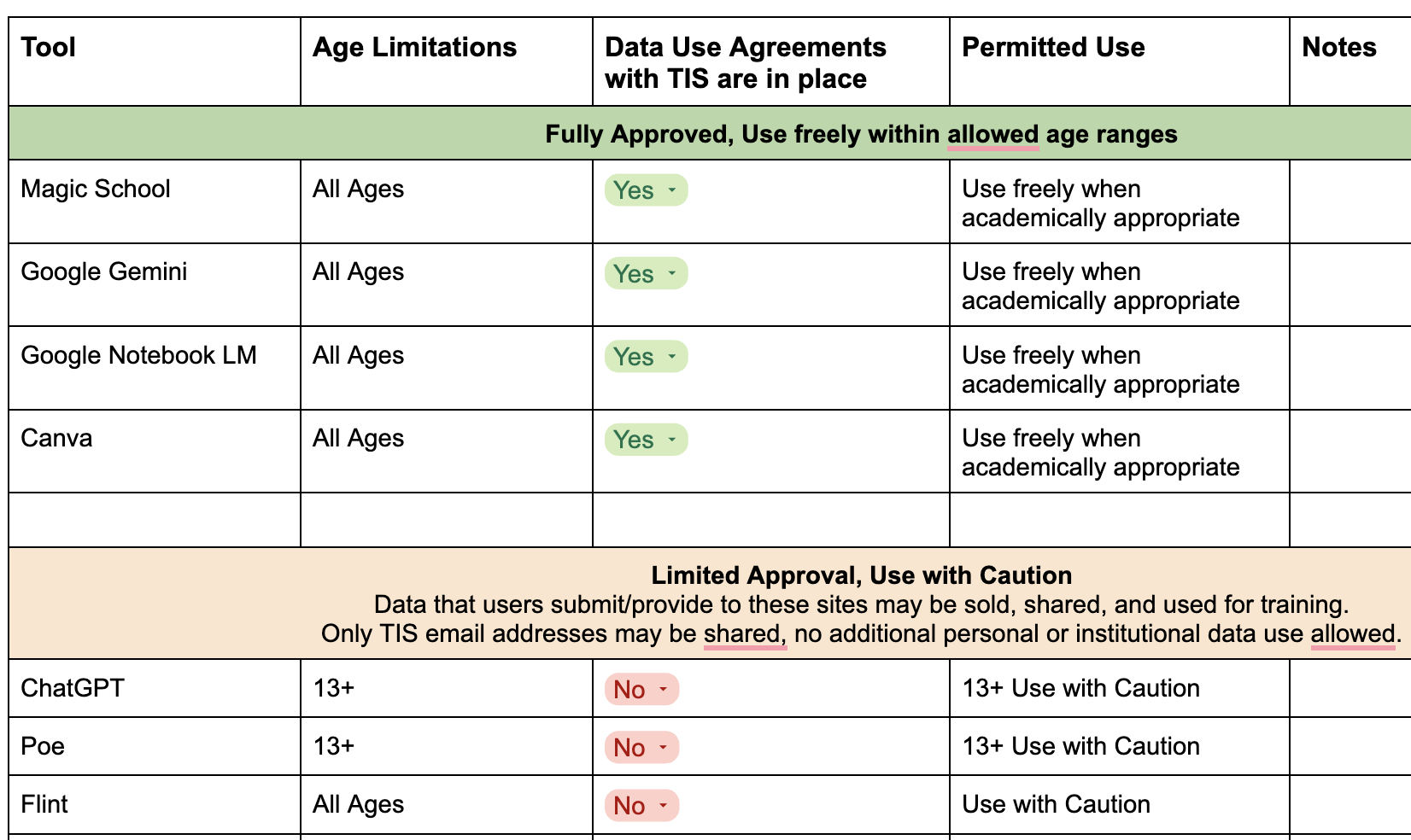
I am also seeing an increase in students using AI in their learning, and more concerning, in completing class assignments. K-12 international schools and universities are trying to figure out what this means for teaching and learning. We can’t ban it and so we need to figure out how teachers and students can use it effectively. I use Anthropic’s Claude and I see they, like Chat GPT and others are marketing to universities (Claude for Education). Our school, the Tashkent International School limits the students to use Magic School who has partnered with Anthropic in protecting academic integrity, privacy, and most importantly, was designed by educators for educators. Faculty can also use Google’s Gemini and Notebook LM because it is integrated into our Google Suite for Education and protects privacy.

I recently read “The End of the Essay: What comes after AI destroys college writing?” by Hua Hsu, a New Yorker Staff Writer and English Professor at Bard College (New York). He reports on AI use at the university level and features findings from interviews with current students and professors. Professors are taking measures to limit students using AI to complete academic tasks.

  • Share time-stamped version histories of their Google Docs.
  • Design written assignments that had to be completed in-person over multiple sessions.
  • Reintroduce the good old “blue books” that I remember from my university days in the late 1980s. Students wrote essays or answered questions in testing booklets handed to them from the teacher at the start of the exam session.
  • Some professors are considering going back to oral exams (“Maybe go all the way back to 450 BC”)
  • Use software like GPTZero, Copyleaks, and Originality.ai like we used Turnitin. I Turnitin is adding AI detection services as well.

One professor uses an in-class writing assignment on the first day to use as a basis to measure future assignments to check for AI use. The example cited was write a 200-word analysis of the opening paragraph of Ralph Ellison’s “Invisible Man”. Hsu believes in “passage-identification” blue book exams, in which students name and contextualize excerpts of what they’ve read in class. He says, “Know the text and write about it intelligently, that was a way of honoring their autonomy without being a cop.”

It is a great article and has so many points that I want to keep for future reference. Below are my takeaways from the Hsu’s article:

  1. We use Google and Grammarly to improve our writing, one could consider AI is just another productivity tool.
  2. A Harvard undergraduate conducted an approved experiment that used Chat GPT to write papers in seven courses. AI scored a 3.57 GPA, a little below the school’s average.
  3. Deborah Brandt professor emerita at UW Madison, uses the term “mass writing” to describe our era. She is referring to emails, texts, Instagram posts, blog posts, chats, etc. We write a lot all day long.
  4. College students now spend an estimated 15 hours per week on academic students as compared to 24 hours a week back in the early 1960s.
  5. A Harvard dean said students feel compelled to find distinction outside of the classroom (internships) because they are largely indistinguishable within it (grade inflation).
  6. Hsu refers to Anthropic’s “Education Report: How University Students Use Claude“. It shows about half of the usage is “collaborative” while the other half is “direct” output creation and problem solving.
  7. A few years ago, educational experts were telling all students to learn coding, now everyone is encouraged to develop “soft skills” since AI can do all computational work for us.

“The ability to write original and interesting sentences will become only more important in a future where everyone has access to the same AI assistants.” – Hua Hsu – New Yorker – July 7/14, 2025 issue

I am excited about AI and think it will raise the level of teaching and learning! It will force teachers to not assign generic essay assignments or busy work, because students should rightly, use AI because it could be considered a wast of time. Teachers will have to figure out engaging activities that bring insights students can use in their lives. It also makes all of us more efficient in analyzing data and research and hopefully, raises what is possible “to make a positive difference”.

TIS Class of 2025

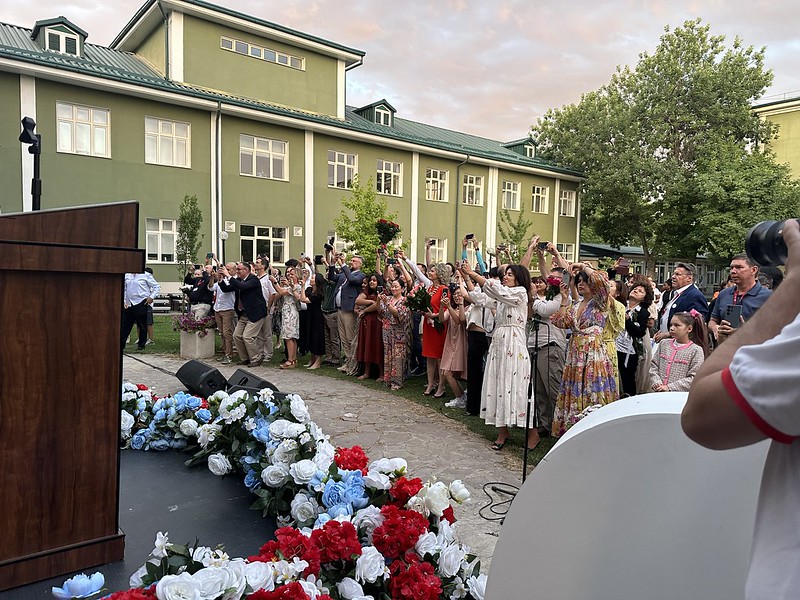
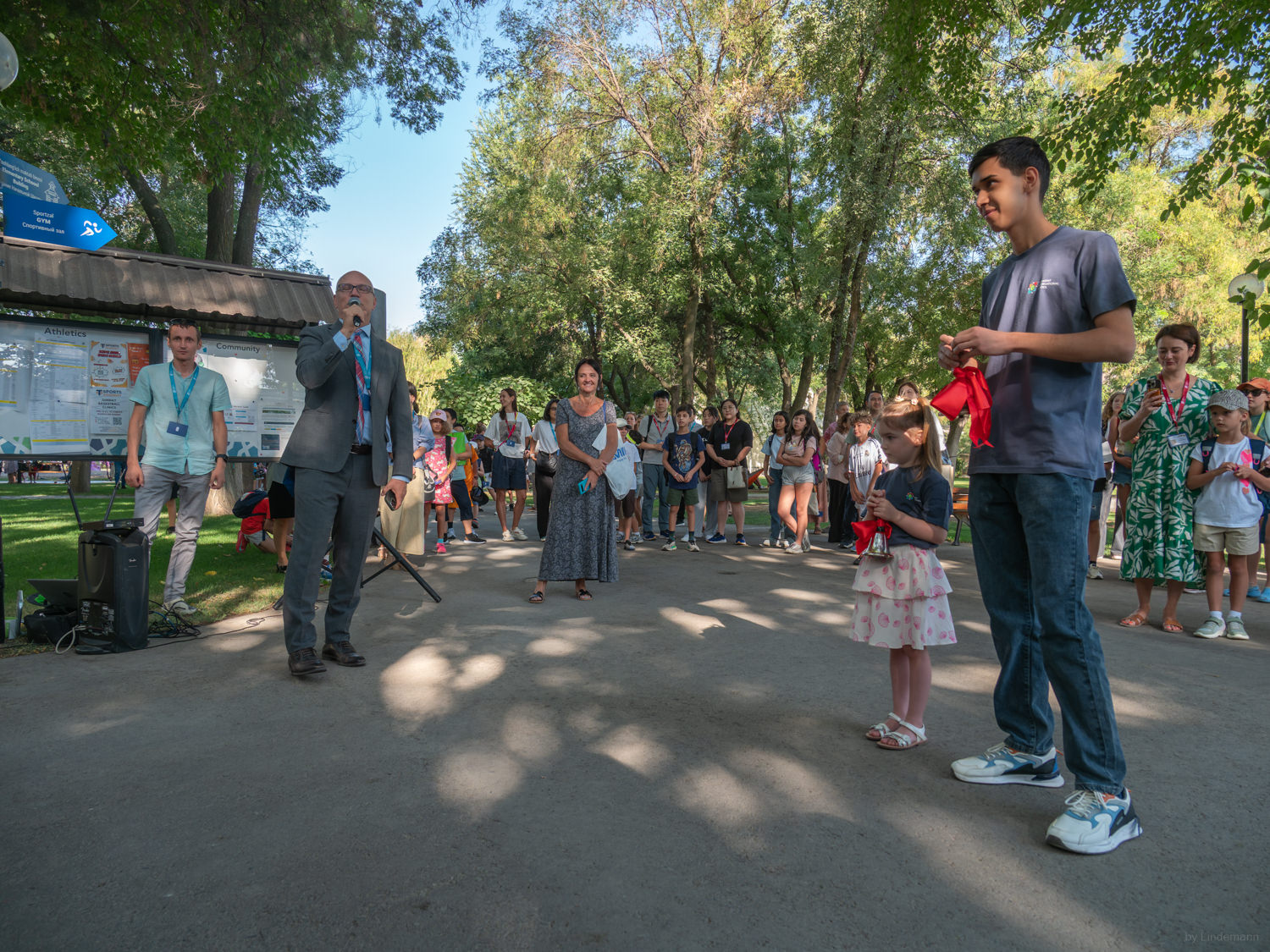
I love being part of graduation ceremonies! Last night we had perfect weather, and with the sun setting, the evening was perfect. I appreciate the occasion more as I get older, especially saying goodbye and congratulating students I connected with. It is also nice to talk with families and be a part of steering a person in the right direction.Graduation ceremonies are also important because they give closure to students and parents and leave a lasting impression on them. My big takeaway from the ceremony and my conversations last night: TIS and IB not only develop academics, but they also contribute to shaping attitudes and habits that really do as the IB says, create a better and more peaceful world. I wish more young people could matriculate at International Baccalaureate World Schools. Below is my speech.

I am honored to open the Tashkent International School Graduation Ceremony for the Class of 2025. We are celebrating 30 years of our school, and this is our 27th graduating class. The first graduating class in June of 1998 had one student. Today, the 32 seniors on stage will bring the total number of TIS graduates to 618, and they will be joining our illustrious and very successful Owl alumni. 

This is a big milestone for not only graduating seniors, but also for the parents, guardians, caregivers, drivers, and everyone from the extended family that helped these students through their school years. I would like to thank the parents for trusting TIS with the education of their children and allowing us the special privilege of sharing with you their educational journey. I would like to recognize and congratulate the parents and guardians of the Class of 2025. Please stand up and let’s give them a round of applause. 

I love being part of graduation ceremonies. Interacting with the graduates always gives me hope for the future. Seniors, you have the gift of youth and possibility, savor this time in your life! I would like to thank all of you for making a positive difference in the TIS community, and I look forward to hearing more about your accomplishments. 

It gives me great pleasure to introduce our Secondary Principal, Mr. Robert Jackson.

Promoting Cycling

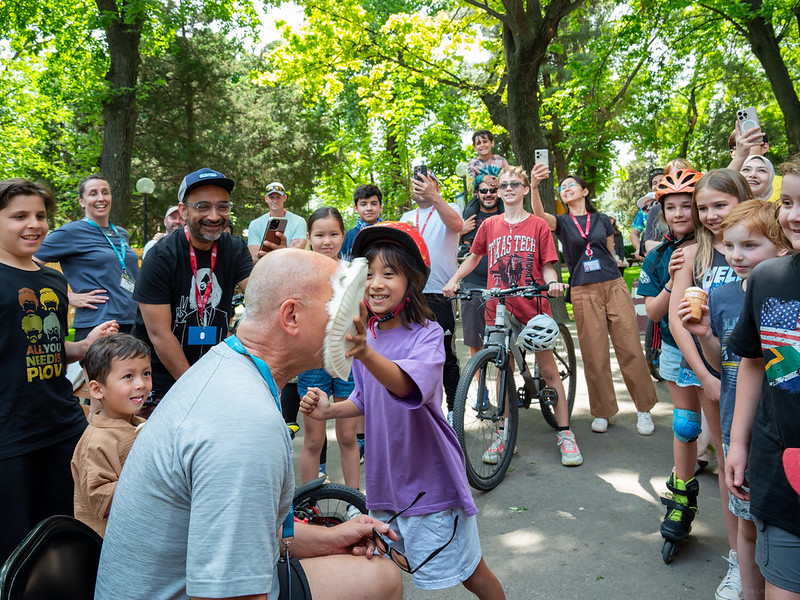
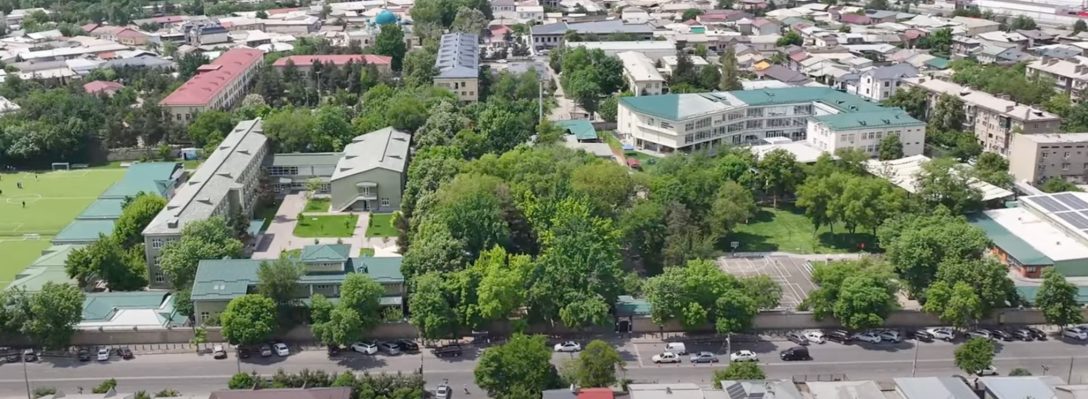
TIS annually holds a “Cyclothon” at our school. The main goal of the event, in my opinion, is to have students experience the joy of cycling! The campus is ideal for cycling with an 800-meter loop that winds its way around our beautiful forested grounds. My colleague, Shawn Perry, holds a “bicycle rodeo” to teach elementary students who are new to the sport how to safely turn, brake, and fall. Students need to pass the test course in the gymnasium before starting the main event. Elementary students absolutely love cycling and counting how many laps they can do. There are always some scooters and skaters as well, and this year, we had three runners.

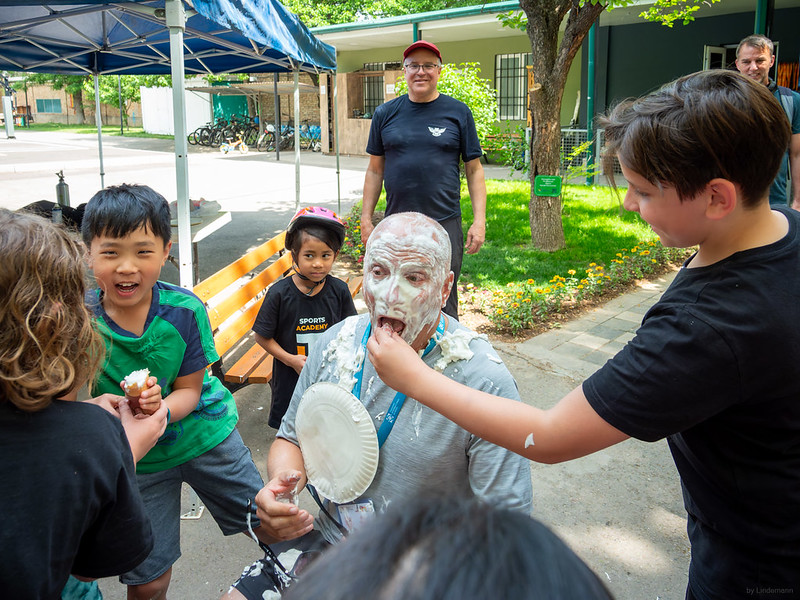
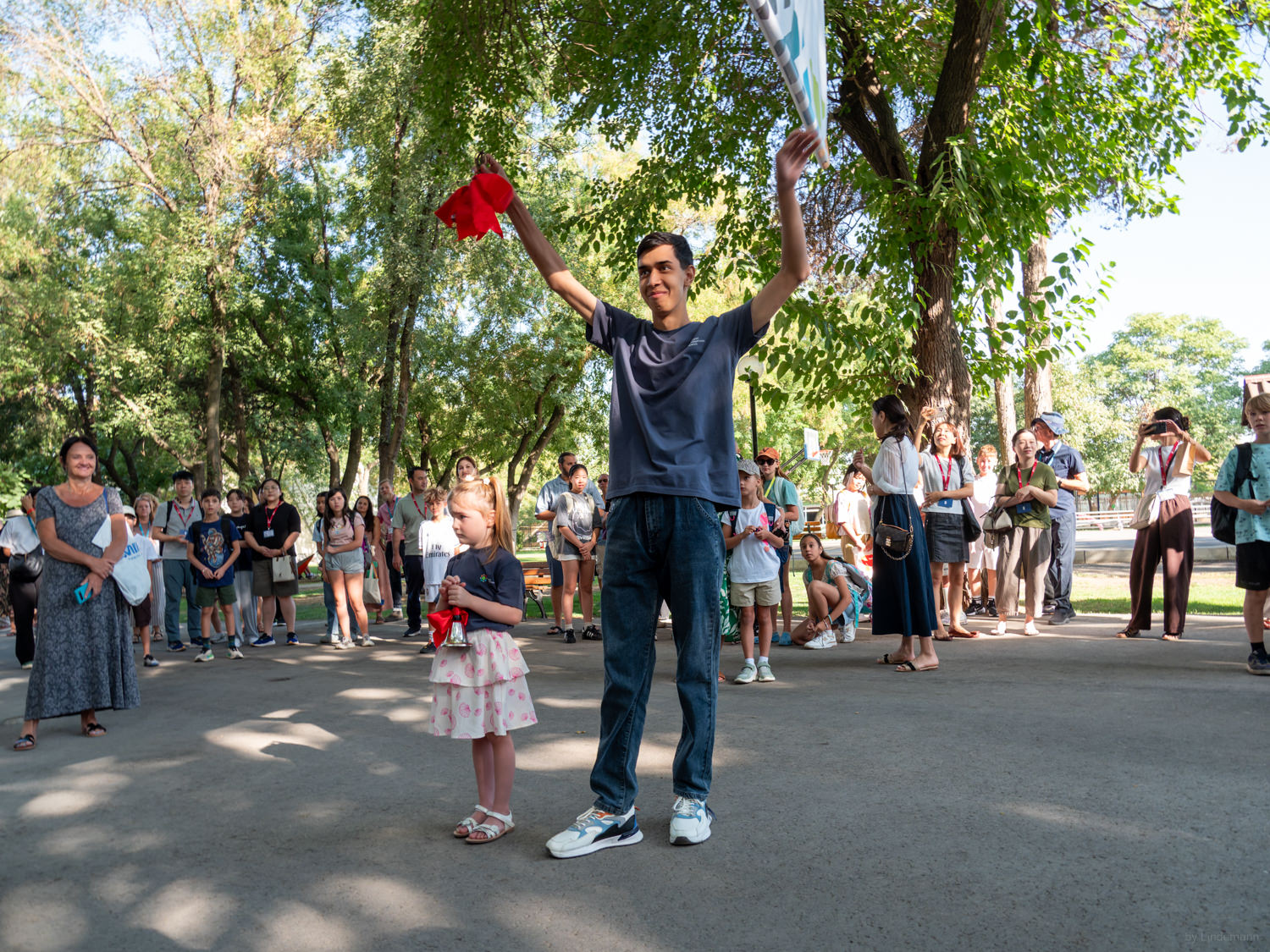
Greener Tomorrows, our student environmental conservation group, managed the event to raise money to upgrade a playground and soccer field in the mahalla adjacent to the back of our school. Secondary students served as bike patrol and counted laps. One feature of the morning is that the rider who completes the 1000th lap, gets to throw a pie in the face of the director (me). Grade 2 student Maya enjoyed the experience as did the students watching!

I think the Cyclothon was started by Matt Wright, a former TIS teacher and incredible cyclist. He left a good legacy and with help from teachers like Shawn and Stefania, the tradition continues.

Risk Management for Outdoor Education

Launched in the 2023-2024 academic year, the Tashkent International School Adventure Program was created with a bold vision: to inspire students to exchange screen time for extraordinary real-world experiences within Uzbekistan’s breathtaking landscapes. In today’s digital world, many young people lack opportunities to develop crucial risk assessment skills and physical resilience. Our program addresses this gap by immersing students in transformative outdoor experiences—from scaling majestic mountains and navigating pristine waterways to skiing down exhilarating slopes and mastering essential wilderness skills. Beyond physical challenges, the Adventure Program creates a social environment where meaningful connections flourish without digital distractions. Students develop confidence, leadership abilities, and lasting bonds with peers and mentors while discovering the natural wonders of Uzbekistan. Each expedition becomes more than an adventure—it’s a journey of personal growth, environmental appreciation, and community building that equips students with invaluable life skills impossible to develop behind a screen.

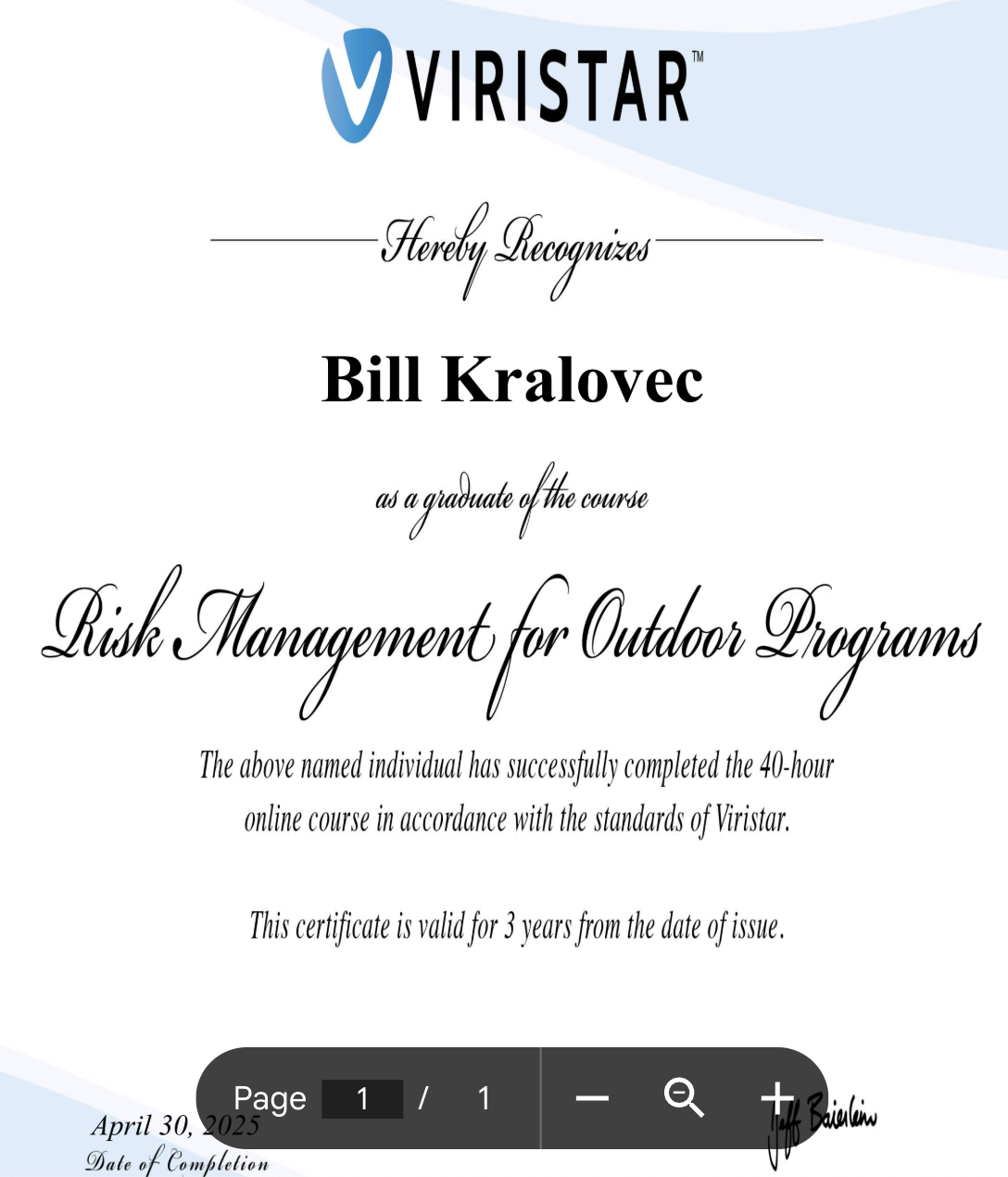
With the program growing, I am focusing on keeping our students and faculty safe. Viristar is a company that provides expert services to outdoor, adventure, and experiential programs. In April, I completed the company’s 40-hour course, Risk Management for Outdoor Programs. The course is framing my thinking around risk management. My big takeaways from the course are as follows:

  • A great definition of Risk Management is a systematic, intentional, and ongoing process of maintaining risk at a socially acceptable level.”
  • Incidents or near misses are caused by complex reasons, and it is not by blaming one person or occurrence. The course introduced me to the idea of Risk Domains (diagram above). Risk Management takes into account many factors and embeds a safety culture in the program.
  • I have two goals inspired by the course #1- Develop an Adventure Program Specific Risk Management Plan #2 Obtain accreditation from the Association of Experiential Education

I also learned a lot from my classmates. Experiential Education teachers from the Singapore American School and the International School of Kuala Lumpur among others were also taking the course. Outdoor Adventure Programs are popular offerings in South East Asia international schools and many use outside providers to organize and lead trips.

TIS is different in that we do not rely on providers and do all the trips ourselves.We also consistently through the school year, take students out into nature on weekends, breaks, and some school days. Therefore I think it is important that we are doing everything we can to continue to offer these experiences safely and the accreditation process is crucial.

I like to thank Jeff Burlein and my classmates for helping me grow my Risk Management skills.

Boy Scout Training

The Tashkent International School supports a Boy Scout Troop run by parents and teachers. I am the Charter Organization Representative (COR) and recently completed training for that specific position. The COR is the point of contact between Boys Scouts of America (BSA) and the Charter Organization, in my case, the Tashkent International School. I was not a Boy Scout as a child but I do see the value of promoting citizenship, service, kindness, and learning outdoor skills. BSA helps our TIS Adventure Program, especially the focus on developing wilderness skills. I have also completed Youth Protection Training that integrates well with our Child Safeguarding practices at the school.

We are losing several key parents this year and I hope we can continue to have a thriving Scouting program at TIS. If you are interested in helping out, please contact our Outdoor Learning Coordinator.

Morning CrossFit Training

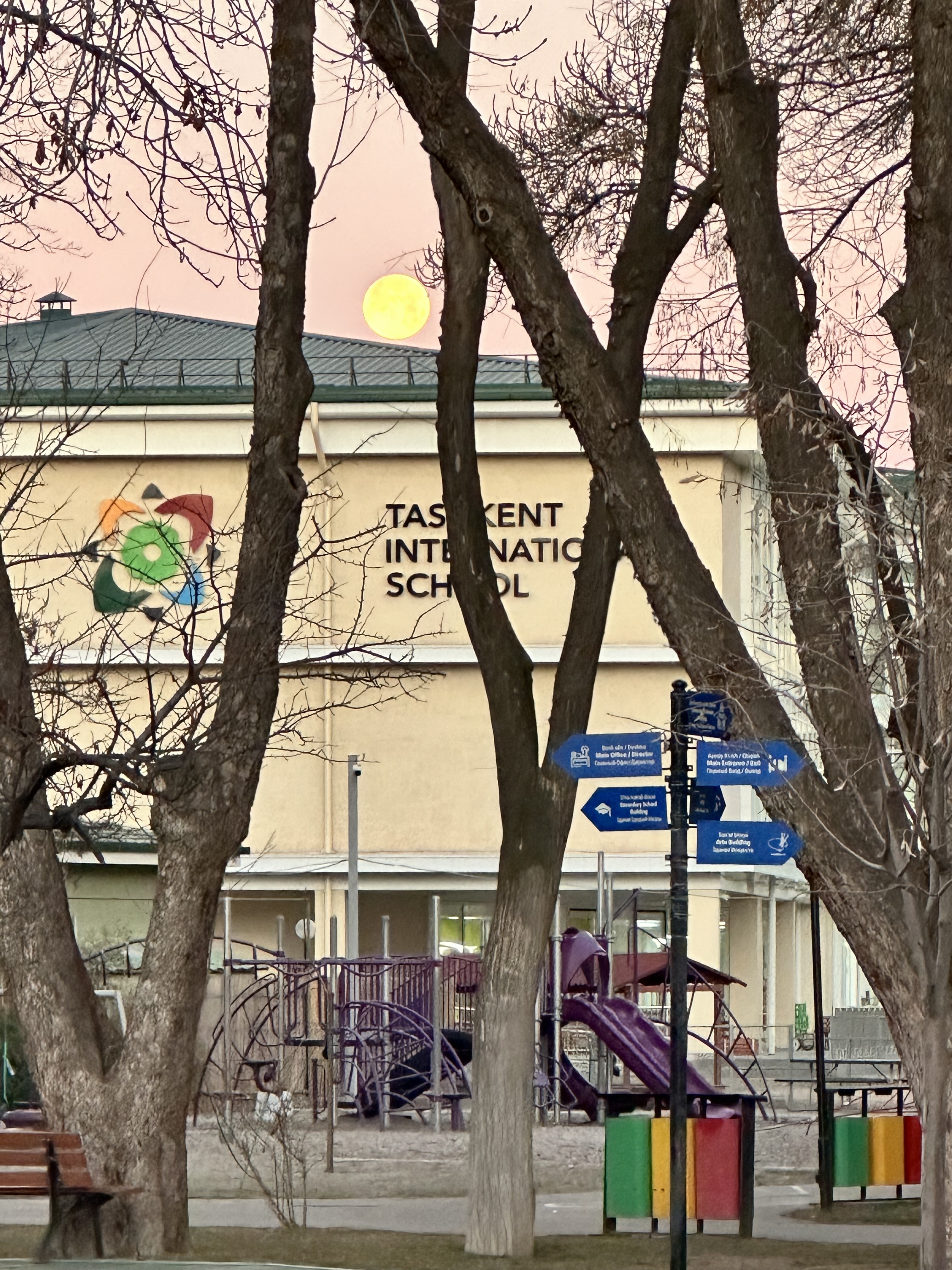
I felt exhilarated after joining the TIS Cross Fit training session on Tuesday morning. Cross Country Coach and TIS Adventure Lead Robin Marsh leads a group of students, parents, and teachers every Tuesday before school. After the workout, I took these photos of a simultaneous sunrise and “moon set” on our winter morning campus. Beautiful! It is good to stop and soak in the beauty of nature. It was a cold, dark winter morning and I didn’t feel like exercising, but afterwards felt great. Thanks TIS friends!

Making Life Easier: New ATM Installation at TIS

At Tashkent International School, we’re always looking for ways to enhance our operations so our staff can focus more on what matters most – our students. I’m excited to share a significant improvement in how we handle employee payments at TIS.

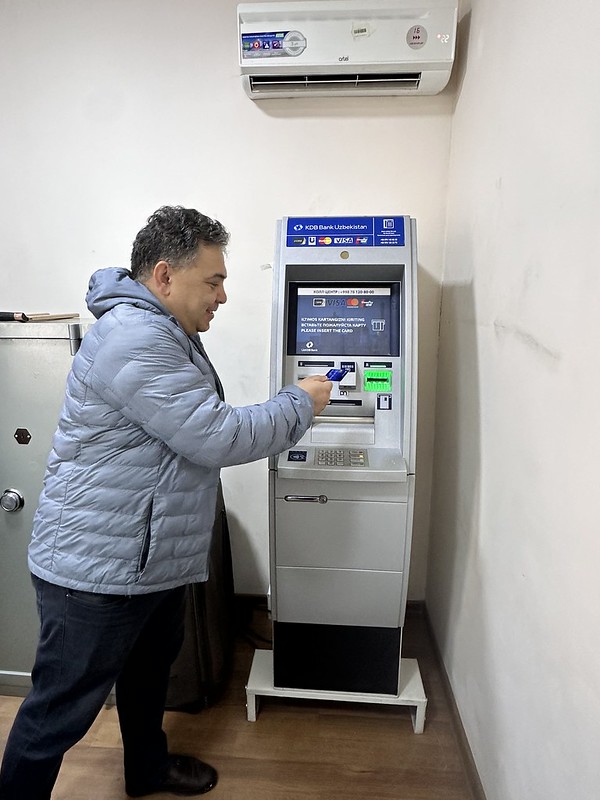
Our Business Office has partnered with a local bank to install an on-campus ATM, which you can see above being used by our Procurement Officer, Kakhramon. This installation represents more than just convenience – it’s a step toward modernizing our operations and improving efficiency.

Previously, our Business Office spent several days each month manually distributing cash payments to employees. With our transition to 100% digital salary payments and the new ATM, our staff can now access their funds commission-free right here on campus, whenever they need to.

This change brings multiple benefits to our school community:

  • Our Business Office can redirect their time from cash distribution to more strategic initiatives supporting our educational mission
  • Employees enjoy greater flexibility in accessing their salaries
  • The school’s financial operations are more streamlined and secure

I’d like to extend my sincere appreciation to our Business Office team for their initiative in establishing this partnership with our local bank.As we continue to grow as a community of learners, it’s these thoughtful improvements that help us better serve our diverse student body from over 50 countries. When our staff can spend less time on administrative tasks, they can invest more energy in what truly matters – providing an exceptional International Baccalaureate education to our students.

Accrediting Schools

Going a bit stir-crazy with report writing…

I try to do one accreditation visit per year. I am a lead visitor (Chair) for the New England Association of Schools and Colleges (NEASC). I usually accredit international schools along with our partners, the Council of International Schools (CIS). We use CIS protocols when it is a joint visit so I work closely with the CIS Chair. 

I like doing accreditation visits for many reasons. I have enjoyed a long career in international schools and feel it is important to give back and support international schools. My many years of experience help me give support and advice to the schools NEASC accredits. Visiting team members are all volunteers and I am always impressed at how much effort we put in to do our best to help other schools. These 5-year visits affirm the good work schools do and give direction for the future of schools. Ultimately, our work improves students’ learning and development. 

Serving on a team is also great for professional development. I learn from the team members and from the dedicated professionals at the schools we visit. I always get an idea or two to use at my current school. It also helps my current school in our own accreditation process. 

Finally, it is a nice way to see the world and I just completed a week in Izmir, Türkiye, on the Aegean Coast. Not being a capital city and with Turkish law prohibiting Turkish citizens from attending international schools, the school was quite small. It was a fine little school however, and it was a pleasure to go behind the scenes of the school and get to know the students, parents, and teachers in their community. 

Rethinking Global Citizenship Education & Service Learning

I am taking the course “Rethinking Global Citizenship Education (GCE) and Service Learning (SL) Using a Critical Lens” along with several of my colleagues at the school. Tashkent International School was founded by service organizations (United Nations and Diplomatic Missions). The course aims to improve our students’ community outreach and service learning. For many years, TIS needed to be careful because the first president of Uzbekistan, Islam Karimov, led a government that was suspicious of foreigners and international organizations. The school needed to keep a low profile. With the new president and the opening of the economy, TIS is now in a position to develop relationships with local groups and contribute to the development of the country. More importantly, to instill a mindset in our students that service to others should be a priority in their lives.

The graphic above presented in the first module sums up the goals of the course. The big idea I am taking away from the first module is to get students thinking about the root causes of inequities in our societies. Moving away from thinking of service learning as something students do to or for, but instead with and by the school’s partner organizations. One challenge facing international schools is our schedules are jam-packed with activities and initiatives. Both faculty and students do not often have the time to slow down and really think and reflect on our service projects.

Rebecca Gilman (left) LeeAnne (right) are leading the course

The assigned reading for Module 1, “Soft Versus Critical Global Citizenship Education” by Vanessa Andreotti was thought-provoking. She refers to Open University Professor Andrew Dobson’s view that global trade creates inequities and by being from the West, by not doing anything, we are active in keeping the developing world poor. 47% of the world is considered poor by the World Bank with incomes under $6.85 per day. He thinks “justice” should be our governing factor instead of ideas of “making a difference” and “being charitable”. Along with other thinkers, he believes that only rich nations and citizens can be global, as most people can only think and act locally because they are too poor to have other options. The G7 countries say they are acting globally, but they act in their own self-interest. Andreotti pushes back and says that Dobson’s view is a bit too simplistic. He also thinks the individual responsibility is more important than organizational change.

She presents the work of Columbia University professor Gayatri Spivak. Professor Spivak believes that “Western” values are projected as universal and we should not forget that colonialism created global inequalities. The “elite global professional class” (me) often reproduces these problematic power dynamics.

Claude.ai summarized the article with the following take:

“The main takeaway is that effective global citizenship education requires moving beyond simple charity-based approaches to develop deeper understanding of global relationships, power structures, and responsibilities. As a school leader, you’re uniquely positioned to implement this more nuanced approach while respecting local contexts and perspectives.”

Leading an IB Education Workshop

TIS Faculty Discuss Improving our Professional Learning Communities

I completed the two-day “Leading an IB Education,” one of six IB Leadership Workshops. I would like to thank the trainer, Seden Chouseinoglou for leading 24 of us. It was a good refresher for me to continually educate our families on the uniqueness and positive aspects of an IB education. The other big idea for me is that “language is the gateway to culture” and I need to work harder on learning Russian.

Inquiry #1 What are the aims of an IB Education?

  1. International Mindedness (local and global outlook)
  2. Learner Profile (personal characteristics)
  3. Broad, Balanced, Contextual, Connected (type of curriculum)
  4. Approaches to Teaching and Learning (methodology)

Reflection – This workshop is a good reminder that we need to continually educate our parents, employees, and students about the impact of an IB education on our students. Further Study – I would like to read more about the IB Leadership Intelligences.

Inquiry #2 What Does It Mean to be Human?: This section focused on the IB Learner Profile, which are traits that make us human. Let’s see if I know all of them. Knowledgeable, Thinker, Inquirer, Carer, Risk Taker, Communicator, Principled, Balanced, Reflective. The best definition of the learner profile is as follows:

“The IB learner profile represents a broad range of human capacities and responsibilities that encompass intellectual, personal, emotional and social growth. Developing and demonstrating the attributes of the learner profile provides an important foundation for international-mindedness. The learner profile supports students in taking action for positive change.”(PYP: From Principles into Practice, The Learner 2018)”

Reflection: Son, Brother, Husband, Father, Friend, Grandfather (hopefully). :::: Friend, Student, Teacher, Colleague, Mentor, Memory (Write a 6-word essay, in the style of Ernest Hemmingway, for your reflection on the Learner Profile)

#5. How do leaders focus learning around the key principles of IB curriculum design? This section focused on the IB curriculums (learning plans). It is more “concept-based” than memorizing facts. Concepts are ideas (skills/knowledge) that students can use their entire lives, or in other words, transferable, big ideas. The trainer referred to the term, 3D curriculum, which means teaching beyond facts. Lynn Erikson is a well-known educational expert who consulted on the new MYP curriculum. The IB Key Concepts are function, form, change, responsibility, perspective, connection, and causation. She shared the video Dove Real Beauty Sketches to use as a prompt to discuss these key concepts. Rob shared with us that the IB thinks of the continuum of the thee academic programs as this: PYP is transdisciplinary, MYP is interdisciplinary, and DP is disciplinary. Two videos were used by the PYP group to humorously show how a concept-based education is better than a content-based education. 5 Minute University and Are Our Children Learning Enough About Whales?.

#6 How do leaders nurture Lifelong Learners?

Students build learning through starting close and then transferring the skills to new contexts. This is a constructivist approach to education. A good activity is drawing the back of your hand with parents.

local contextglobal context
concreteabstract
selfothers
known contextunknown context
familiarless familiar
act locallythink globally
comfortable uncomfortable