AI Readings

One of our professional learning themes next school year will be the impact of Artificial Intelligence in K-12 international schools. I am trying to read as much as I can this summer. I use Chat GPTo almost every day and appreciate it editing my writing and helping me make sense of a lot of data and information.

Watercolors by Emma Larsson for Harper’s Magazine. Larsson’s watercolors are responses to poems featured in this essay. This watercolor is a response to the AI continuation of Emily Dickinson’s poem. All paintings © The artist. Courtesy the artist and Simard Bilodeau Contemporary, Los Angeles 

Metal Machine Music: Can AI Think Creatively? Can We?” Laura Dubreuil Harper’s Magazine, July 2024

This article discusses the capabilities and limitations of AI in creative processes. Large Language Models (LLM) can figure out the patterns of language, grammar, and writing to produce solid, even really good writing. If everyone relies on AI to complete their essays, blog posts, school assignments, etc. Dubreuil sees a homogenization of writing. She also thinks AI is great at figuring out patterns and has a lot of source material to draw from but it is not as truly creative as the human mind. For K-12 international school leaders, the essay offers several insights:

  • Students risk an over-reliance on AI for creative tasks and they have to figure out ways to use it to enhance their creativity.
  • Students need to be skeptical when evaluating AI-generated information. They need to think critically when using it.
  • Teachers should encourage original thinking and provide opportunities for students to do so.
  • We as a school need to discuss the ethical use of AI. Maintain the most important part of the creative process is the teacher-student and student-student interactions.

The Future of Education in a World of AI Ethan Mollick

Dr. Mollick is a professor at the University of Pennsylvania. One of his research interests is AI and he is optimistic about humans using AI. I placed a hold on his book, “Co-Intelligence: Living and Working with AI” Mollick compares AI to the introduction of calculators in schools in the mid-1970s. Initial resistance is followed by integration until a consensus is reached.

We’ll find a practical consensus that will allow AI to be integrated into the learning process without compromising the development of critical skills. Just as calculators did not replace the need for learning math, AI will not replace the need for learning to write and think critically. It may take awhile to sort it out, but we will do so.

Ethan Mollick

I already use Chat GPT to help me understand what I am reading and give me context and background to ideas and topics I encounter. AI Tutors will be used by all students, although it will never replace the human teacher-student relationship. Mollick sees the lecture/assignment model of education fading away as schools need to discover ways for students to become “active learners” in the age of AI.

Does an International School Leader Need to be Machiavellian?

Cover Page The Prince 1550 edition

One of the readings for the “Leadership Paradoxes and Possibilities Project” I am participating in next month is Niccolò Machiavelli’s The Prince, published in 1532. I listened to BBC Historian’s Melvyn Bragg’s In Our Time podcast on the subject. Bragg introduces Machiavelli’s famous work with the following quote.

One must be a fox in order to recognise traps, and a lion to frighten off wolves. Those who simply act like lions are stupid. So it follows that a prudent ruler cannot, and must not, honour his word when it places him at a disadvantage.

Machiavelli wrote The Prince while he was exiled to his farm after being released from a brief imprisonment. He was a diplomat and senior official in the Florentine Republic government that governed the city from 1498 to 1512. The Medici family with the help of Pope Julius and the Spanish military, usurped power of the city in 1512. He was caught up in the aftermath and was tortured and imprisoned for 3 weeks until released to his farm. His goal in writing The Prince was to use it as a portfolio showing his expertise in politics. He loved working in government and wanted to get back into it with the new regime. Little did he know that this work would become an all-time classic and that an American school leader would be assigned it for a class on leadership. I am always amazed when reading works of the ancient Greeks, Romans, and authors from the Italian Renaissance how much human nature hasn’t changed over the centuries.

International School leaders do not need to be concerned about having their schools taken over in a palace coup d’état, but in my 14 years of being a Head of School, I’ve run into several “Machiavellian” figures intent on ruining my leadership. The vast, vast majority of international school employees, board trustees, and parents do not fit into this category. In reading The Prince again while flying to the USA, my guiding question is What leadership advice can I take from this ruthless political treatise? Below are my major takeaways from Machiavelli’s work and I am applying these to a modern, international school context.

  • It is easy to become isolated as the Head of School. A leader needs to know what faculty, students, and parents are thinking. This is so that when “disorders spring up, one can quickly remedy them” and not be surprised when a major problem blows up and it is too late to remedy. Machiavelli recommends also looking ahead for “troubles” because they are easier to remedy before they approach a leader.
  • When taking over a new school, either crush your enemies or treat them well. Do not allow them to be lightly injured because they seek revenge and cause problems for you. This is always a concern when there are internal candidates who didn’t get the position still working at a school when a new Head begins.
  • Only avoid a fight if you do not have the advantage.
  • It is hard to install new orders (systems) because there are always people who benefited under the old system and will resist change.
  • “All armed prophets have conquered, unarmed prophets have been destroyed.”
  • Keep your focus on the core business of the school, when “princes think more of ease” they lose their states. The core business of schools is teaching and learning and student enrollment. For Princes in the Italian Renaissance, the core business of leadership was keeping a strong military.

Probably the most famous idea of the book is that it is better to be feared than loved as a leader. Machiavelli wrote that the goal of any leader is to keep everyone united and loyal. Macchiavelli warns leaders that showing “too much mercy invite disorders to arise”. I think sometimes you need to be tough on people who are sewing division or not doing their jobs. Leaders should proceed with “prudence and humanity” not hubris. Macchiavelli actually advises leaders to be both feared and loved, but this is a difficult path to walk, so he suggests it is easier for a leader to be feared. The fear of employees preserves your leadership because they fear punishment. However, Machiavelli goes on to say to be feared, but NOT to be hated, especially with powerful people in the school. This is a fine line between fear and hate. He says princes get in trouble when they take women and property and become hated. What are “women and property” in an international school context?

  • A prince is respected when he is a true friend or downright enemy. Better to choose a course than remain neutral. A prince who avoids present dangers and follows a neutral path is generally ruined.
  • A prince should show himself as a “patron of ability”. Which I take is to support good teachers and good leaders in your school. Don’t be afraid to surround yourself with strong people, they enhance your leadership and are not rivals to it. A leader is judged by the people he hires.
  • Let your colleagues understand that to tell you the truth does not offend me. “A prince ought to always take counsel, but only when he wishes and not when others wish.” Wise princes take good advice.
  • A leader should be a constant inquirer, afterward, a patient listener.
  • Machiavelli quotes Frederick the Great, “The older one gets the more convinced one becomes that his majesty ‘King Chance’ does 3/4 of the business of this miserable universe” The quote is about luck or fortune, which always plays a role in any leader’s success. My takeaway from this quote is to prepare for the unexpected and to be adaptable.

That concludes my review of the book. I am looking forward to having discussions about the book and enhancing my learning.

Making International Schools Safe For All

Harassment has no place in the TIS community and will not be tolerated. This includes but is not limited to harassment over any of the following: religious beliefs, racial or ethnic background, sexual orientation, or gender.

TIS Statement of Community

June is International Pride Month and international schools around the world are challenged with protecting and supporting LGBTQ+ students in their schools. International schools in particular often are located in countries where homosexuality is illegal or there is strong religious or moral opposition.

Our school issued a Statement of Community this year in response to world events that created discord between nationalities. There are also misunderstandings and confrontations over race, gender, religion, etc. with a student body of around 50 nationalities. The Statement challenges us to protect ALL students. Schools need to raise awareness and educate not only the students but also parents and employees of this ideal. Child safeguarding is a primary of schools, and the network of parents, extended family, and school employees, need to be aware of this goal.

School leaders are in difficult positions. Many religions and cultures believe that LGBTQ+ people are devient and immoral. Other countries accept that homosexuality is normal and natural and 5-10% of any population will be gay and have laws protecting the rights, such as marriage or antidiscrimination. Diverse international schools will have significant numbers of students, employees, and families on both sides of this divide. We take the stance of “protecting” students from hate speech and discrimination. A family with strong religious views may feel the beliefs of their family are not being protected when Pride Month displays are shown on campus. I believe schools are places where the exchange of ideas and opinions is valued and protected. This must be balanced with treating everyone with kindness and respect. There are no easy answers, policies, or actions that schools can take to create a totally harmonious environment.

The Association for the Advancement of International Education (AAIE) sends a weekly newsletter (Friday’s Five Ideas for the Future) and this week’s topic looks at how international school leaders can support and represent the LGBTQ+ community. They always share articles and this is what I am taking away from my reading this morning.

I learned about the idea of the Overton Window a concept developed by the Libertarian Think Tank in my home state of Michigan, the Mackinac Center. The idea is society’s opinions on controversial topics changes with the times and politicians sense this and react through enacting laws that capture the Zeitgeist. Below is a short explanation of the Overton Window. In America, views have shifted to more freedoms and rights for the LGBTQ+ population.

I learned about the work of the Trevor Project, a non-profit organization that works to prevent suicide and intervene in crisises with LGBTQ+ youth.

AAIE believes international school leaders have the moral and ethical obligation to talk about these issues now because as leaders, we have the power to make schools safe and welcoming for all.

Emergency First Responder Instructors

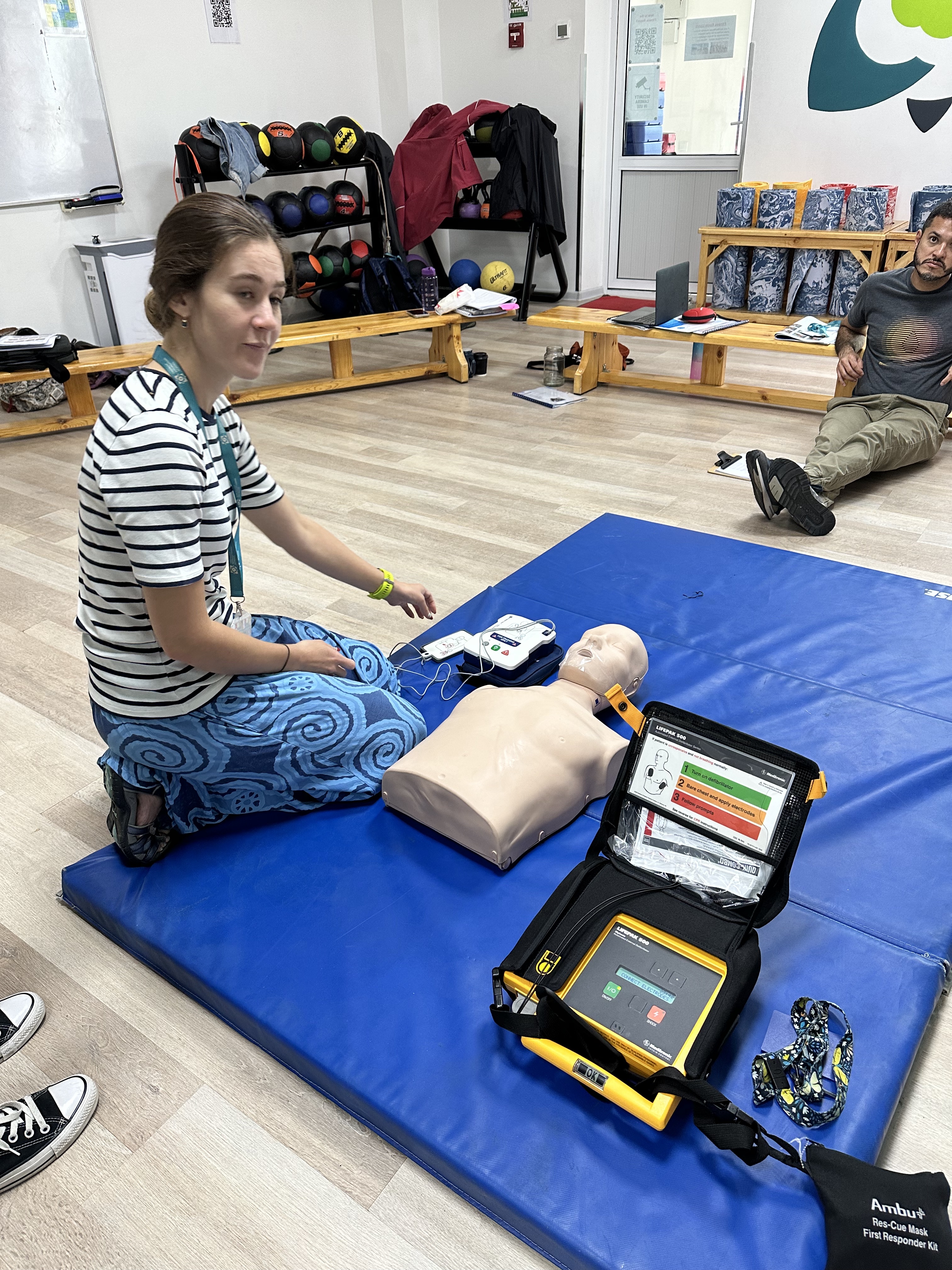
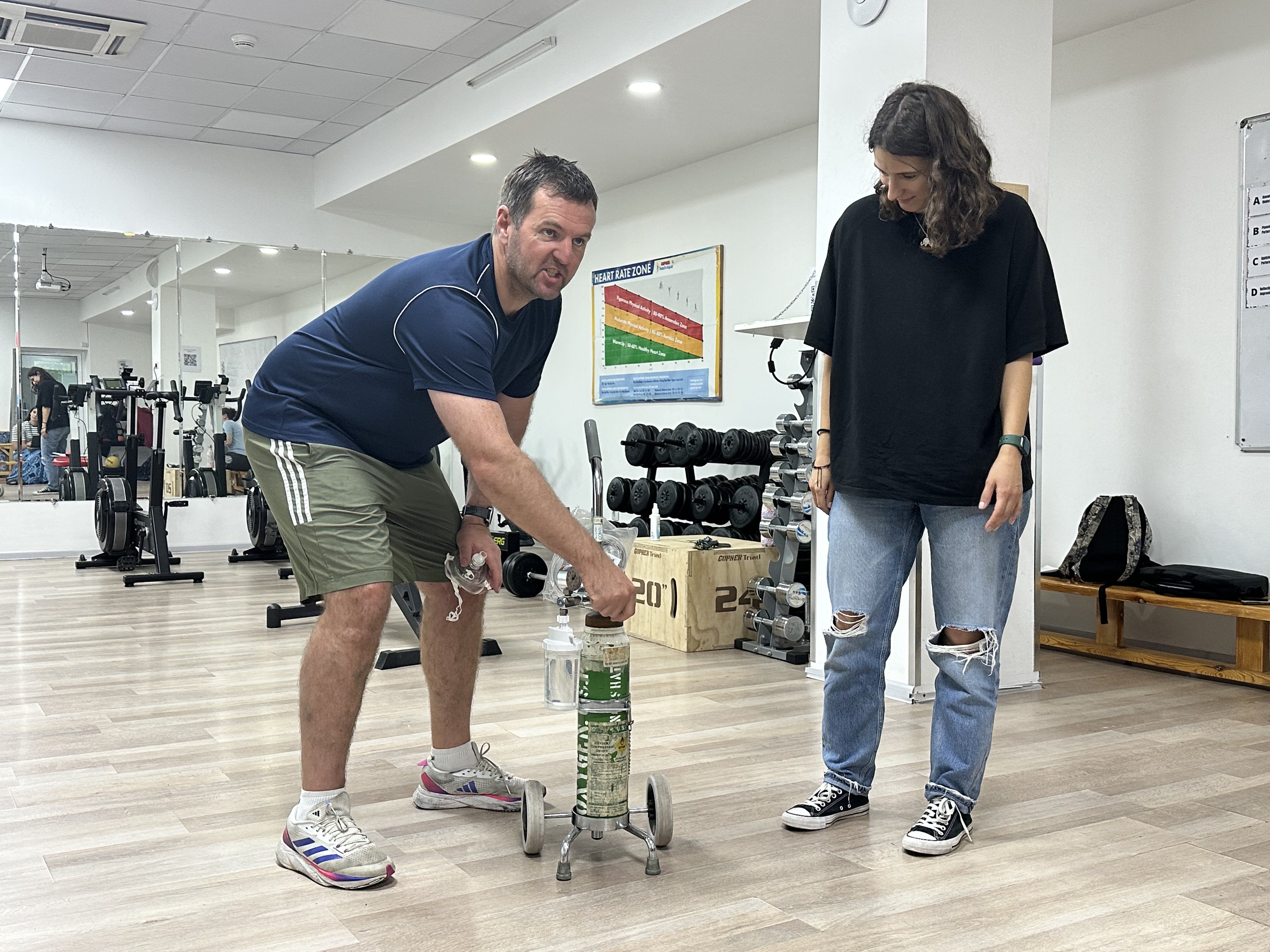
Five of my colleagues and I earned our certification as Emergency First Response Instructors yesterday. Our only certified instructor is leaving the school in June and we wanted to continue offering the Emergency First Response (EFR) training to our employees and students. We use the PADI (Professional Association of Diving Instructors) courses and certification program. The courses are accredited by ILCOR (the International Liaison Committee on Resuscitation) which includes the American Heart Association and other organizations around the world.

This is especially important to me as we introduced the TIS Adventure Program this year. Taking students out in the wilderness is a special responsibility, and I want to make sure we are doing all we can to keep our students and teachers safe. I’ve taken many courses of the years and they are invaluable in helping school employees respond in an efficient manner to injuries and emergencies. The following are points I am taking away from this course.

  • I will use actual scenario photos from school for the Scene Assessment Skill #1.
  • Using an Automatic External Defibrillator (AED) is a victim’s best hope of survival.
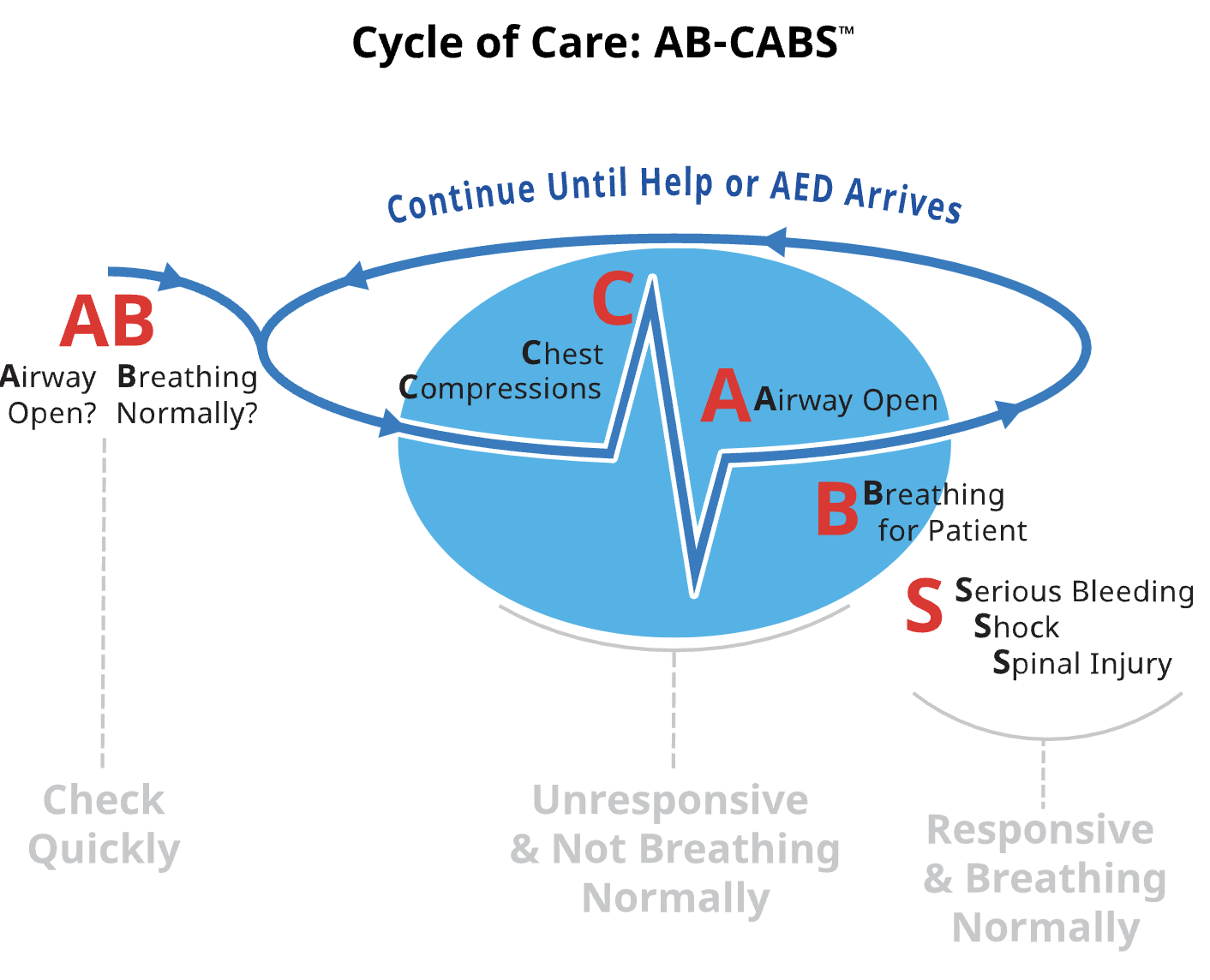
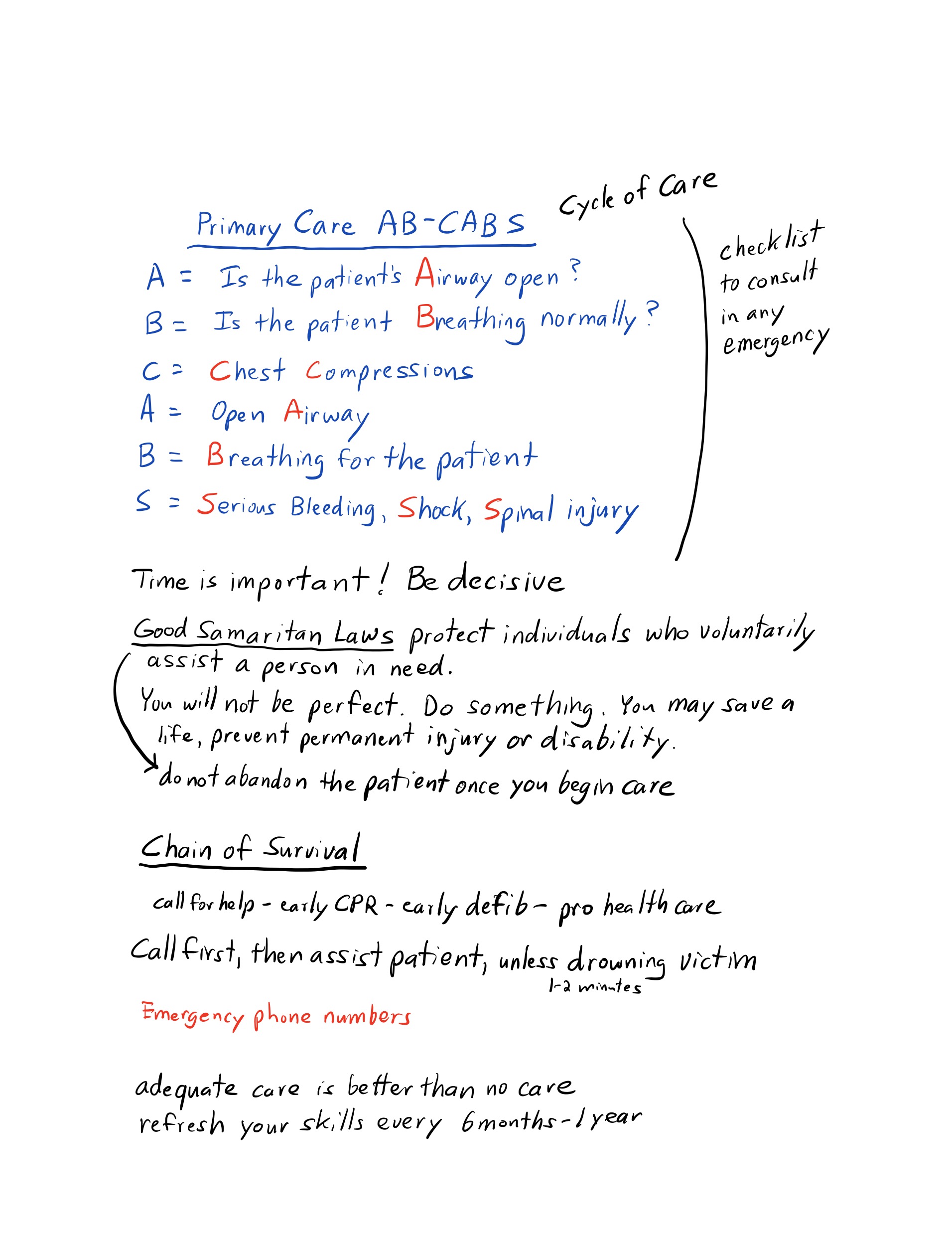
  • I will print the “Cycle of Care” AB CABS diagram and laminate for all future classes I teach.
  • Teenagers need to learn the “recovery” position as it is highly likely they will encounter passed out, drunk classmates in university.
  • With CPR, the compressions (30) are much more important than the rescue breathing (2). The idea is to circulate blood with oxygen already dissolved in it.
  • The latest recommendation for tourniquets is the squeeze all the way at the top of the arm pits and groin. You need to completely cut of the blood supply to the extremities.
  • We should offer a nannie/caregiver/driver course in Russian language for our families. We can also offer a parents’ course.
  • It is my goal to certify most of our local employees in the 2024-2025 school year. The security guards, groundscrew, and housekeepers may be the first people to encounter an injured student.

I would like to thank Rob Tate for bringing the PADI EFR training to TIS. The six of now trained as instructors will carry on his legacy at the school.

Cell Phone-Free Schools

This school year I’ve been thinking about the impact of cell or mobile phones on our students. I think they are a distraction to teaching and learning and they are preventing our students from developing their face-to-face relationships. The internet is wonderful with so much knowledge, skills, and entertainment to be had, we are all less ignorant than in the pre-internet world. The social media companies (Instagram, SnapChat, etc.) design their software to keep people’s attention. It is not that everything online is bad, I feel the problem is the loss of what students could be doing if they were not staring at their phones.

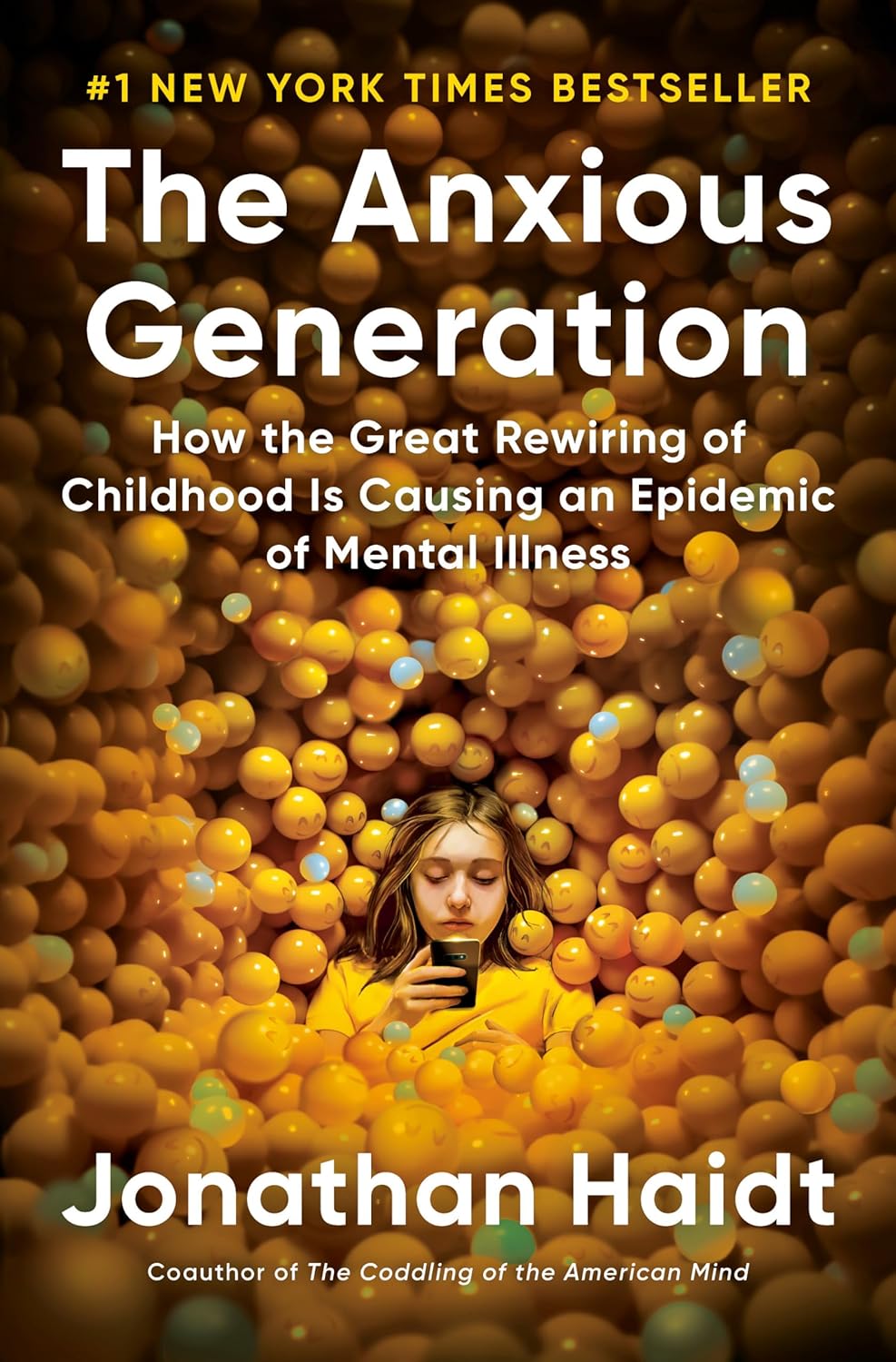
At a recent Director Coffee, I socialized the idea of a cell phone-free school with a group of parents and it was one of the most animated discussions I’ve led. This is also a hot topic with our fellow CEESA schools, along with the impact of Artificial Intelligence on teaching and learning. In my coffee presentation, I introduced the premise of NYU professor Jonathan Heidt’s new book, “The Anxious Generation”. He thinks that adolescent mental health problems skyrocketed starting around 2012 when smartphones and social media became in common use. He views this as a “collective action” problem and suggests four norms our society implements:

  • No smartphone until grade 9 (high school)
  • No social media until age 16
  • Cell phone-free schools
  • More independence, unsupervised, free play to develop responsibility in the real world.

I think 3 of the 4 norms are up to parents, but “cell phone-free schools” is one that I think TIS should implement in our secondary school. The temptation to check your messages and keep up with your friends is too much for young people to handle. It would be a nicer place to have students present for each other, especially during breaks, where they can work on one of our key Purposes, “make connections”. I have not heard any compelling arguments against having students put away their phones from 8:20 to 15:20 Monday through Friday.

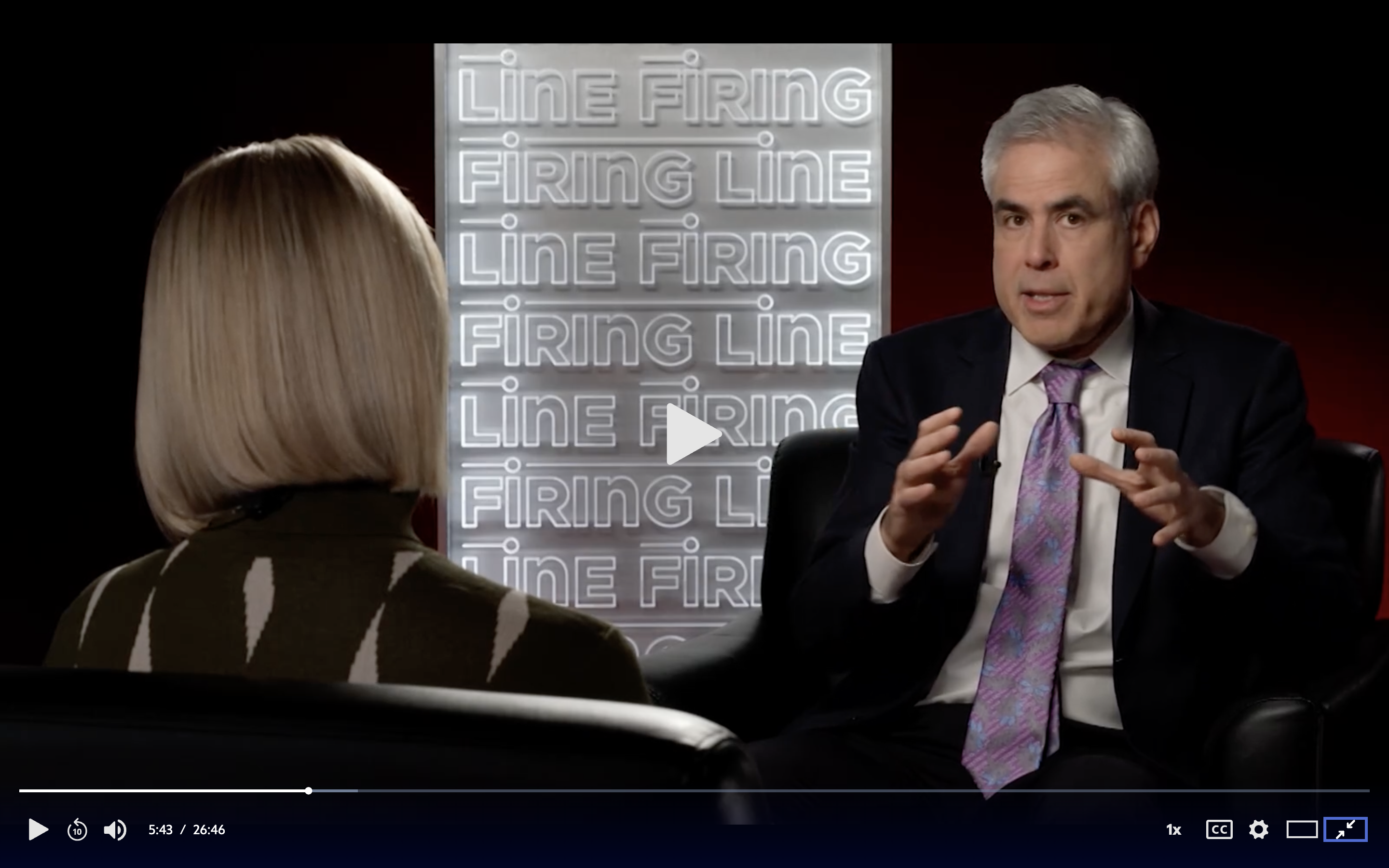
In order to make this work, we will need the input of the students and faculty and staff.I hope to drive this effort over the next two months to trial a cell phone-free school program at the start of the 2024-2025 school year. Dr. Haidt is making the rounds on the podcast circuit if you want to learn more without reading his book. The Public Broadcasting Service (PBS) interview show Firing Line has a 26-minute interview with Dr. Haidt that is a good introduction to his book and research. (link)

From talking with people from schools that have implemented these types of policies, it is a couple of weeks of tumult, but then everyone realizes that they are happier and appreciate the break from their phones.

Addressing Conflict

Edutopia published a short post aimed at school leaders regarding conflict management. (What Conflict Leadership Style Do You Use?) The article states that 20-40% of a leader’s day is devoted to conflict management. I would say that is accurate as the issues that come to me are usually when there is a difference of opinion on which way to go forward and people are coming to me to find a mutually acceptable resolution that is in the best interest of the students and the school.

My natural tendency is to avoid conflict and to try to make peace at all costs. I’ve learned over the years that this is not good in that conflict is natural in organizations because they are composed of humans and individuals have different values and goals. A leader’s job is to address conflict in a meaningful and respectful way with both sides of a dispute or conflict emerging with respect for each other and the understanding that a leader needs to act in what he/she feels is in the best interest of the school.

Some avoidance methods the article describes are going around an issue by holding too many meetings about it or tackling smaller, less controversial issues instead of the big issues. Aggressive leadership techniques include outright hostility (raised voices, verbal threats), stacking decision-making committees with people who think like an agressive leader, or use appraisal systems, stipends, scheduled to reward or punish employees.

The best form of dealing with conflict is addressing it. Letting people state their concerns and views, understanding these views, and using collaborative approaches to finding solutions. It seems that divisive conflict is on the rise and the courage to address conflict is necessary of school leaders.

Emergency First Responder Primary Care (CPR) and Secondary Care w/ AED Certification

Last month I completed Emergency First Responder Primary Care and I wanted to share my 2-year certification on my blog. Rob Tate is one of our Curriculum Coordinators and is heavily involved in our Athletics and Outdoor Adventure Programs. He brought the Professional Association of Diving Instructors (PADI) Emergency First Responders Course to TIS. We are training many teachers and students, including several employees to be trained as instructors so the program is sustainable. Having many people trained in first aid and emergency medical care makes our students and parents safer. Especially as we develop our outdoor adventure program and athletics teams, having staff with medical skills and confidence to administer care may save a student, employee, guest, or parent’s life. I want to thank Rob for his initiative and passion for bringing this to our school.

Developing a Community of Learners (My Dream School)

TIS Faculty Build Their Dream School

I am in a professional development session this morning led by TIS teacher Claire Van Loon. The topic of the workshop is “Developing a Community of Learners”. Claire challenged us to design our dream school. My dream school’s Purpose is “We will fully realize our individual and collective humanity.” Specializing in boys education “Modern Masculinity – Become an Enlightened Warrior” A broad description of the curriculum is below:

Basic Cultural Knowledge

  • Reading Comprehension and an appreciation of reading books
  • Numeracy (statistics, understanding risk, financial)
  • Express ideas through writing, speaking (rhetoric), video production, podcasting
  • Deep understanding of history and world religions
  • Deep understanding of local flora and fauna (ecology, climate change, stewardship of the earth)

Personal Happiness

  • Be in top physical fitness condition
  • How to relate to others
  • How to learn new skills and ideas
  • Career Guidance
  • Self Presentation (fashion, grooming, social etiquette)
  • Personal financial literacy
  • Power Yoga (meditation, breathing, body flexibility)

Learn By Doing… ie Practical Stuff All students will be able to…

  • ride a bicycle
  • swim and scuba dive
  • play a musical instrument
  • literate in a second language
  • start a fire and camp/hike in a variety of natural environments
  • defend oneself (weapons training, martial arts)
  • DIY – Home repair and renovation
  • Chef certification in 2 cuisines

Emergency First Response Training

TIS Faculty Complete CPR Training

During the Professional Development Day today, I completed Emergency First Response Training. The school is using PADI Emergency First Response Training. So far this school year, 45 employees and 20 students received certification as first responders. The course consists of both online and in-person training sessions.

MYP Coordinator Rob Tate is our in-house trainer and he started our workshop by reminding all of us of these key points that are often missed by people taking the course.

  1. When you ask a person to go for help, don’t forget to ask him/her to come back.
  2. Don’t forget to pinch the nose when you tilt the head when establishing an airway.
  3. You are not going to make it any worse.

Above are two key diagrams to keep in mind in any situation requiring delivering medical assistance. The first is the Cycle of Care (AB CABS) and this is a checklist to use in a stressful situation. The second diagram reminds us to immediately call for help and where an amateur first responder can fit in the chain. TIS is fortunate to have an English-speaking family medical clinic on our campus. A doctor is always about 6 minutes away with advanced care Monday through Friday, 8:00 AM to 6:00 PM.

My big takeaway from the sessions is we need to better identify where the First Aid Stations are on campus, especially the first aid stations with AED (Automatic External Defibrillator). It would also be good to have laminated emergency phone numbers placed in all medical kits and ask employees to put the numbers in their phones. Below are my notes from the online portion of the training that I took with my iPad and shared with my computer.

Adolescents Struggling with Mental Health (Truman Group Conversation)

I attended an online conversation between the CEESA Directors and the co-founder of the Truman Group, Sean Truman yesterday. The Truman Group provides online psychological counseling and mental health services to expatriates.

Sean reminded us that the mental health of adolescents is at an all-time low. This is a trend that he has been seeing and the research supports, over the past 15 years and it was accelerated by the pandemic. The number of days of school missed, suicide attempts/completions, hospital visits, etc. are all increasing. Anxiety, depression, trauma, grief, addiction, life transitions, etc. are all issues that I see increasing, not only in students but also in faculty and staff. On a recent visit, our health insurance provider mentioned to me that mental health claims are up from 2% to 13% over the past two years.

Directors shared what they are seeing at their schools. This included the trauma of recent conflicts in Ukraine and Israel. Sean pointed out that we overuse the word “trauma”. Trauma is when a person fears death or being harmed and should only be used in cases of violence. Adults in schools have done a good job in having students acknowledge their feelings, but sometimes, students are over-sensitized. We need to remind ourselves as educators that sometimes, life throws adversity at students and often, an adolescent does not feel good. We need to teach them to work through it and be resilient instead of feeling like a victim for ordinary life events or news.

My one action item takeaway is that I want to make sure we include mental health counseling for our community during a crisis. I will review our crisis response procedures that mental health counseling is on our checklists and we are prepared in case of crisis.

.