United Nations Day at Tashkent International Day

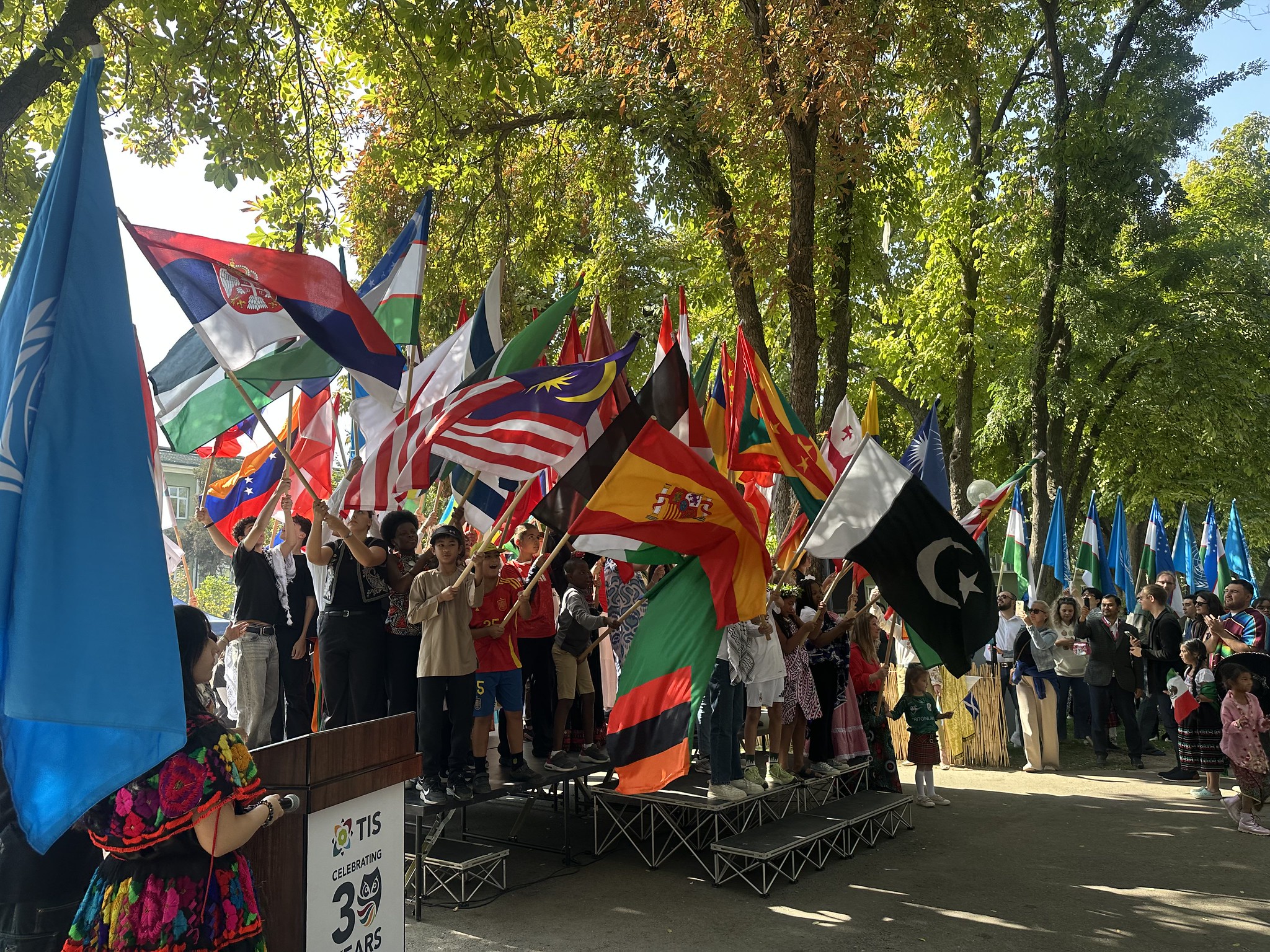
One of my favorite events at Tashkent International School (TIS) is the United Nations Day. This annual tradition highlights the school’s diversity. A parent commented that it was amazing for his children to experience so many cultures in one day. The event makes it clear to our community that diversity is our strength! I went from wearing a necklace of Russian sushki to taking a photograph with Korean parents in traditional Korean gat, to eating a delicious Indian samosa.

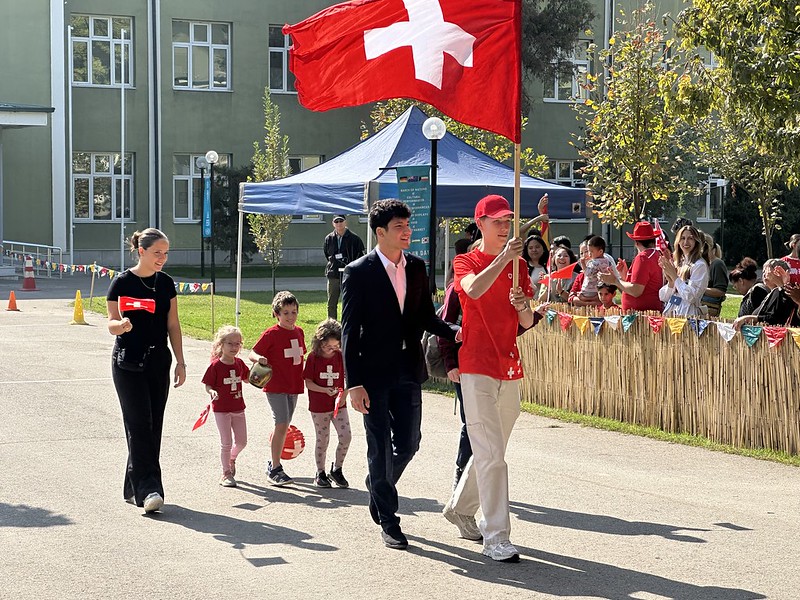
UN Day 2025 was the biggest ever in the school’s history and the best one I’ve experienced in my seven years. There were a record 33 different delegations with booths in the “Global Village” and 64 countries in the Parade of Nations. The planning committee wanted something different this year, and two students came up with ideas of a World Cup Football Friendly Tournament and an Art Exhibition based on this year’s theme, “Building Our Future Together”. Both enhanced the day for our families. It was a perfect early autumn day to celebrate our global reach and connect with each other. With so much conflict going on in the world, it was nice to focus on our shared humanity.

I would like to thank the UN Day Planning Committee and all faculty and staff who played a part in making the day memorable. Especially the work behind the scenes from the maintenance, groundscrew, security, and housekeeping who were at school until 11:00 PM on Friday evening.

Russian Government Outlaws the IB

On August 25 this year, Russian authorities declared the Swiss-based International Baccalaureate (IB) an “undesirable organization”. The Russian Prosecutor’s Office stated that the IB “shapes Russian youth according to Western models” and “promotes non-traditional values”. This took place a week before the start of the Russian school year and impacted the 29 IB authorized schools in Russia. The ruling did not come from the Russian Ministry of Education, but directly from the Prosecutor’s Office. The New York Times article, “Russia’s Ban on I.B. Schools Deepens Its Rupture With the West” is a good analysis of the situation. The Times Educational Supplement, “Russia’s IB ban and its implications for international schools.” This follows the closing of the Anglo-American School of Moscow several years ago. This is the official statement from the International Baccalaureate.

I attended an IB Zoom Forum led by IB Director Adrian Kearney today regarding the implications of the ruling for IB World Schools outside of Russia with Russian families enrolled in the school.

  • 1. Can IB World Schools outside of Russia accept transfer students from former Russian IB schools? Yes, but there is no communication between international schools and the former IB Russian school.
  • 2. What are the risks for Russian national citizens enrolled in IB World Schools outside of Russia? The IB Diploma will not be recognized by Russian universities. Schools should remind families of the decision by Russian authorities. The ruling was broad and vague, so it is difficult to interpret what consequences there are for Russian students, teachers, and parents.
  • 3. Can Russian citizens work in IB World Schools outside of Russia? See #2.
  • 4. What advice should we give to Russian citizens’ parents? The IB interprets the ruling that enrollment in an IB World School outside of Russia does not mean “actively promoting” the IB but only being a consumer of it, so it is possible. Note that academic credentials will not be recognized in Russia. Parents are ultimately responsible for choosing education for their children.

TIS is still able to offer IB Russian A and Russian B language offerings at our school. If anyone has questions or concerns, they can reach out to support@ibo.org for more information directly from the International Baccalaureate.


Building an AI-Ready School: A Leadership Framework

Artificial Intelligence is poised to transform education more dramatically than any innovation since the internet.All schools should be focusing their thinking on how it will change teaching and learning, and going above that, how it will reshape our students’ future careers and lives.

I’ve been struggling with what our school does next with Artificial Intelligence. Last academic year, we started with a Professional Learning Community (PLC), developing a whole school Artificial Intelligence Policy, a list of approved AI Tools, and a framework of AI use for student assignments. Cora Yang and Dalton Flanagan inspired our employees to familiarize themselves with AI and to frame the work of the AI PLC. We invited Myron Dueck to come in November to give our work this year a boost. Thankfully, EBLANA Learning consultant Kimberly House introduced their program of comprehensive AI guidance for IB schools at the Central & Eastern European Schools Association (CEESA) autumn meeting yesterday. We also had an insightful conversation among the directors on the best current practices and the future of AI’s impact on schools.

Reflecting on what I learned yesterday, our PLC members should take the next step and complete some of the online AI training courses Eblana offers. In looking at their AI Implementation Framework for International Schools, Tashkent International School has done much of Phase 1 and bits of Phase 2.

A summary of my takeaways from yesterday’s session:

  • I need to read UNESCO’s AI Competency Framework. “teachers must be the guardians of safe and ethical practice” and UNESCO expects an AI-rich environment in schools.
  • Schools are struggling with how teachers can use AI to assess and give feedback to students. The goal should be how to enhance student engagement using AI.
  • AI uses a huge amount of energy! Facts like generating one AI image is the equivalent of charging your phone 3x or a 30-second deep fake video is the same as streaming the entire catalog of the television show Friends 500,000x are incredible.
  • AI is reducing “productive friction” in all of us, educators and students. How much cognitive offloading do we give to AI? What is worth doing myself and what is worth offloading to AI?
  • We all need to be careful about what information we are putting into what LLMs. We also discussed how this relates to child safeguarding and we should all prepare for deep fake videos being used by teenagers.
  • I will learn more about Gemini Gems, Perplexity, and become an AI-certified advanced leader through Eblana.

Solar Energy at TIS

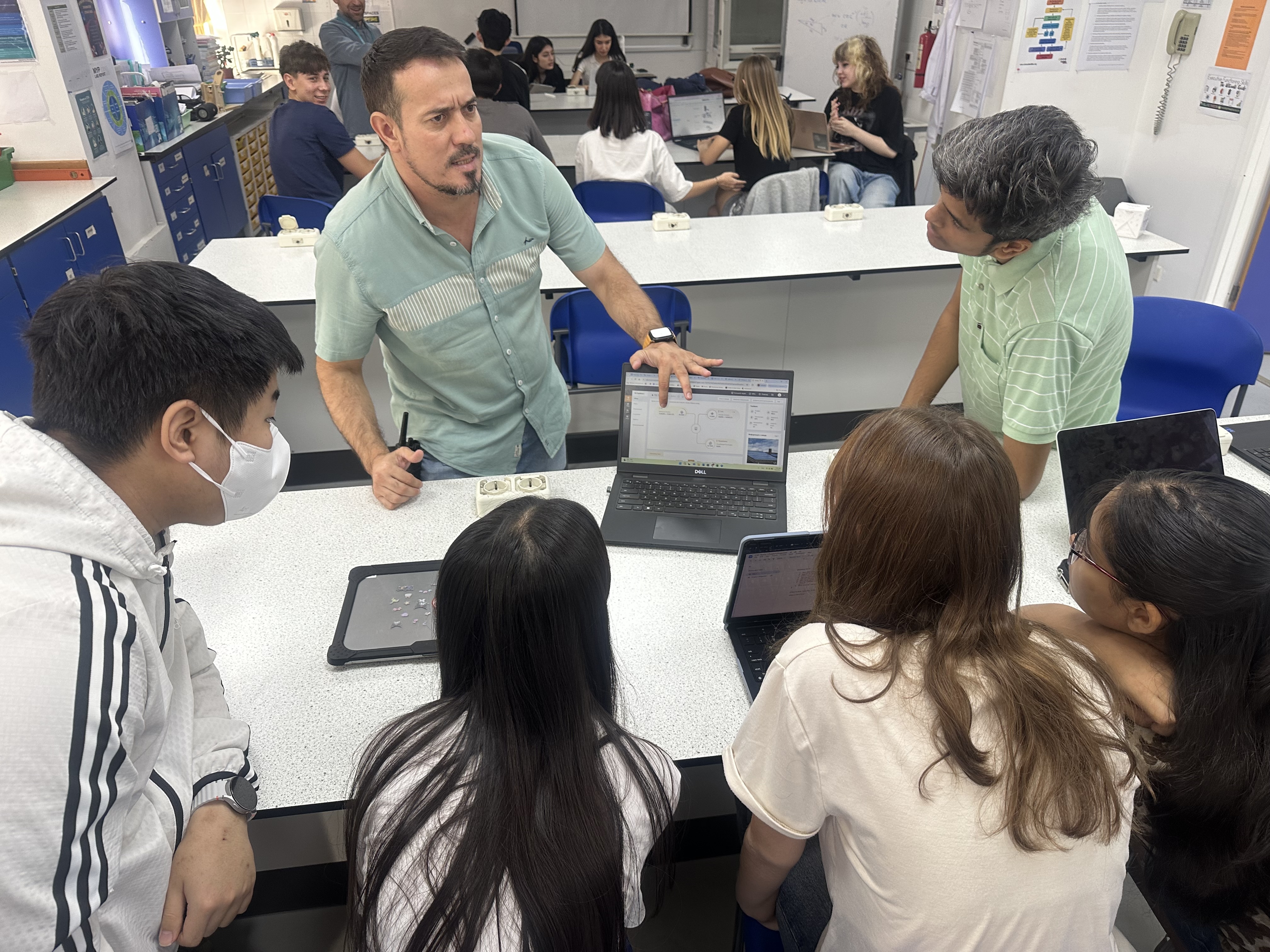
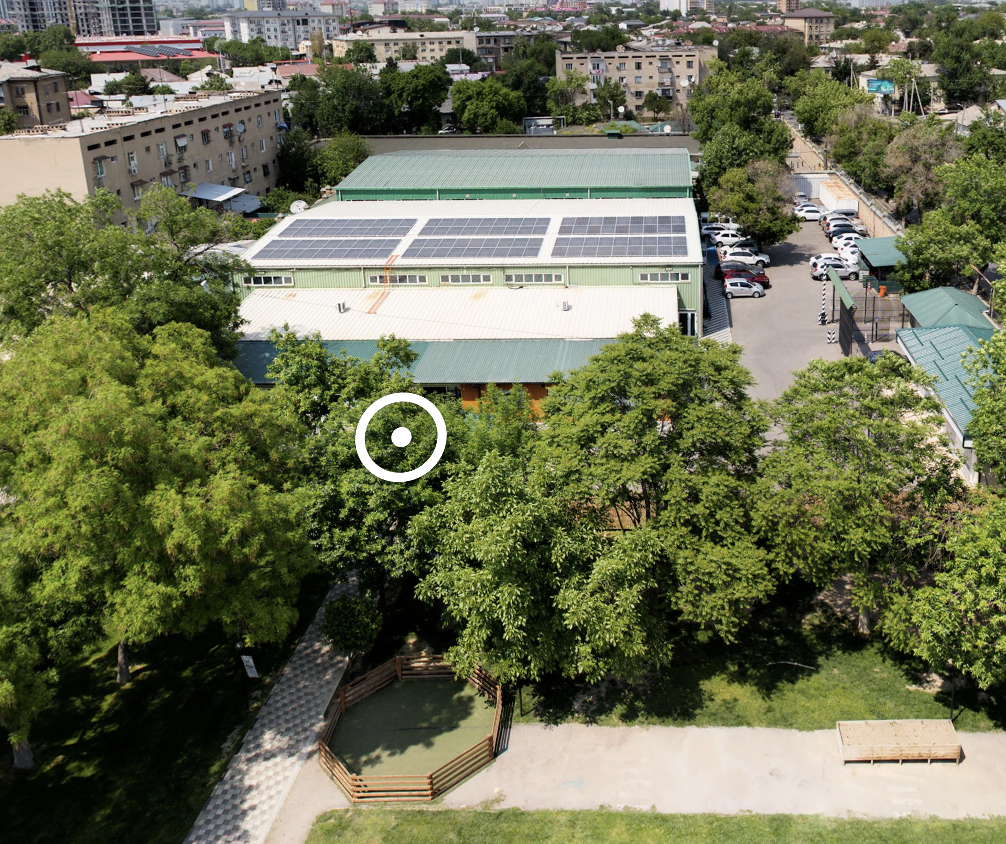
It is exciting when my work at the head of school directly impacts student learning. The board facilities committee developed a pilot solar panel project on the roof of one of the school’s gymnasiums (left photo). TIS facilities manager Rashid Suleymanov is shown sharing the data website with a group of grade 11 students working on a solar energy project. Uzbekistan receives a lot of sunshine, but it also battles with dust. We want to know if we should add more solar panels to the rooftops on our campus. We challenged the students to help us with our feasibility study.

TIS Owls Complete Level One Kayak Trip

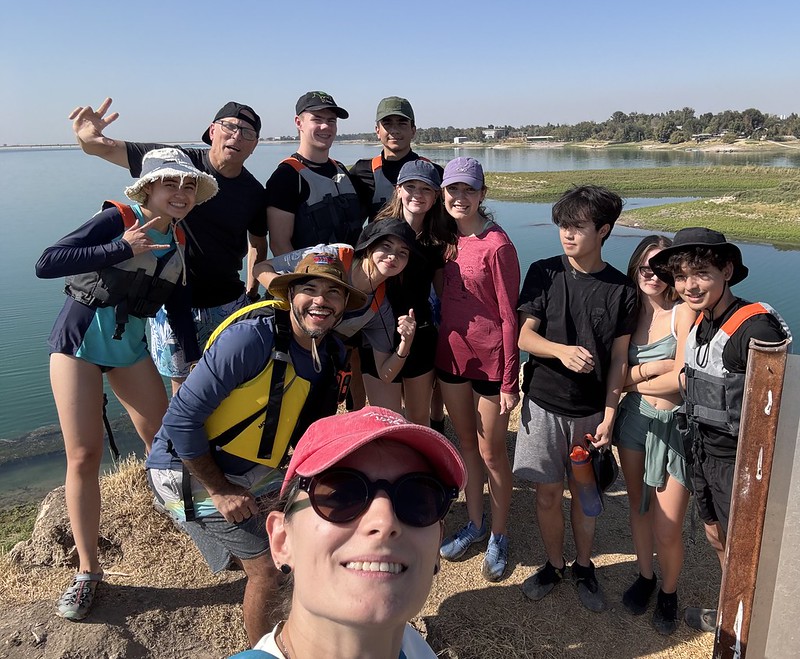
I helped lead a level one kayaking trip on the “Tashkent Sea” this weekend. We started our RIVERS strand of the TIS Adventure Program and completed the first two rounds of our beginning kayaking instruction trips. I drove up Saturday morning, and my colleague Irina and I were the instructors for a group of nine grade 11 students. It was my first time teaching the course after becoming an instructor last spring, and thankfully, Irina was there to help me.

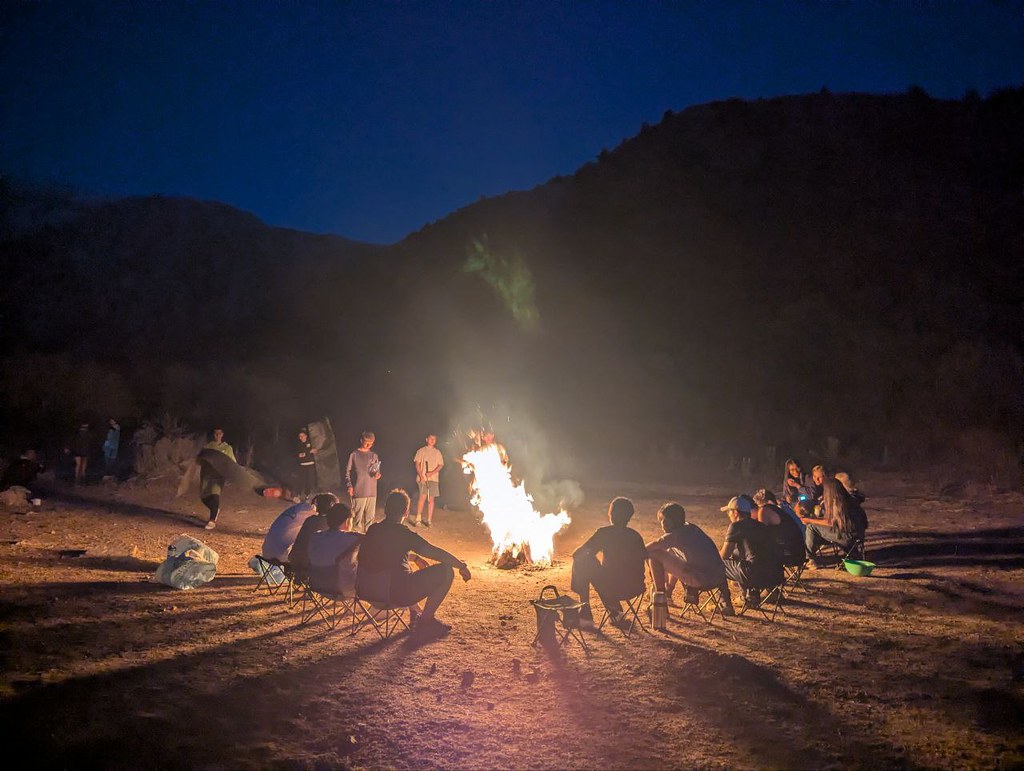
The students loved the experience! Many of them had never been in a canoe or kayak and I love watching them develop confidence and comfort while acquiring kayaking skills. Besides learning the set of basic paddle strokes, they also learned how to get back on the kayak in case they capsize. This is nerve wracking for some people, but with calm encouragement and support, all the students were able to capsize and make it back to shore. Our students are very kind and respectful and we just had a great time with them. I love campfires and prepping meals and it was a cool mid-September night alongside the reservoir.

The “Tashkent Sea” is actually the Tuyabuguz reservoir and is a popular recreational area about an hour’s drive from the school. I thank the Uzbekistan Rowing and Canoe Association for allowing us to camp on their grounds and use their facilities. After learning the fundamentals in the morning, we did a tour of three islands in the reservoir and had a photo opportunity at Kindik Tepa (which means “navel or center” and “hill or mound”).

I want to give a special shoutout to the TIS faculty and staff to went above and beyond to give all of the students over the past four days a great experience. These include Victor, the Adventure Program Coordinator, Irina, Margot, Batir, Sartor, Ramon, Kim, and Felix! Thank you!!!!

Comprehensive Sexuality Education

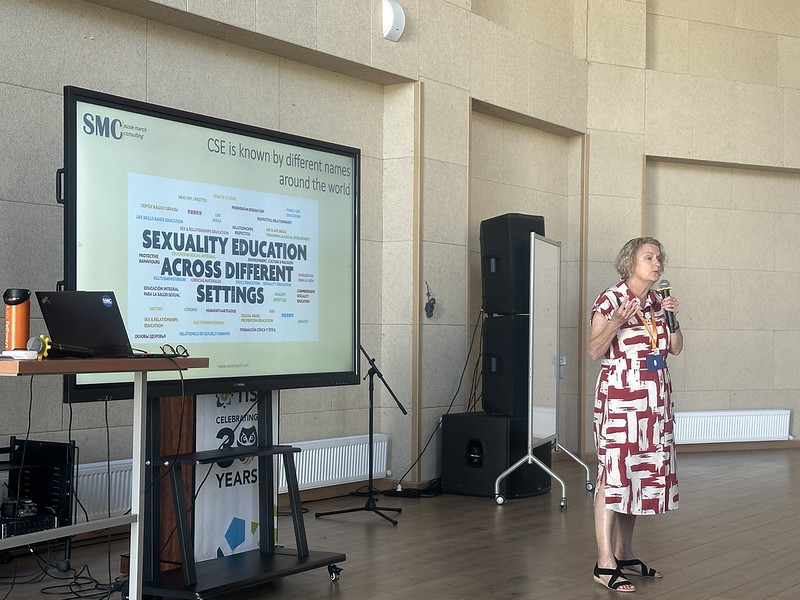
We have the pleasure of hosting Susie March this week at our school. Susie is a consultant who works with schools in developing Comprehensive Sexuality Education (CSE) programs. Tashkent International School integrates CSE into our Psychological, Social, and Emotional Learning Program. Last school year, we had some challenges with our CSE curriculum from families. The goals of her visit are as follows:

  • Develop a common understanding of the CSE curriculum and why our school teaches CSE of all stakeholders, students, faculty, and parents.
  • Train and support teachers in delivering the CSE curriculum and manage sensitive topics when students bring them up in the classroom.

My big takeaway from my time with her is that schools need to offer a robust CSE to safeguard children. When students have the knowledge and tools about sexuality, harassment, and abuse can be avoided or dealt with more safely. Susie ended her talk today with the idea that our sheltered international school students are released into the world and get to university in a different country, and being happy and able to deal with real-world challenges are just as important as high IB scores.

Things to Remember

  1. The United Nations views Comprehensive Sexuality Education as a human right and a safeguarding measure for children. 
  2. UNESCO developed the International Technical Guidance on Sexuality Education 
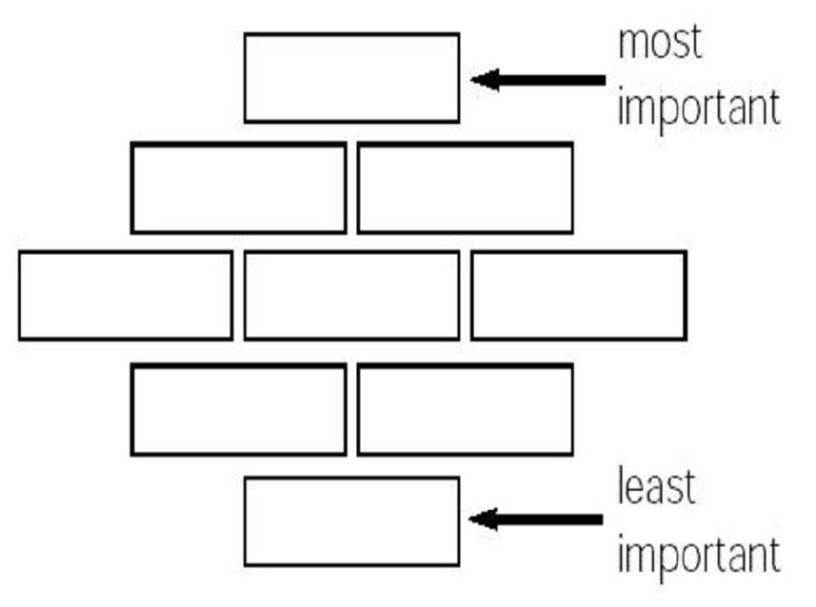
  3. Susie said in her experience of working with hundreds of schools, female students are most interested in learning more about Sexual Harassment and Consent & Boundaries. With male students, they are a bit more scattered in their interests, with Pornography and Sexually Transmitted Diseases being the top two choices. She used a Diamond-9 technique with 45 different topics, and students need to prioritize which topics they would like to learn more about.
  4. Susie March is seeing much confusion around misogyny from international school students. 
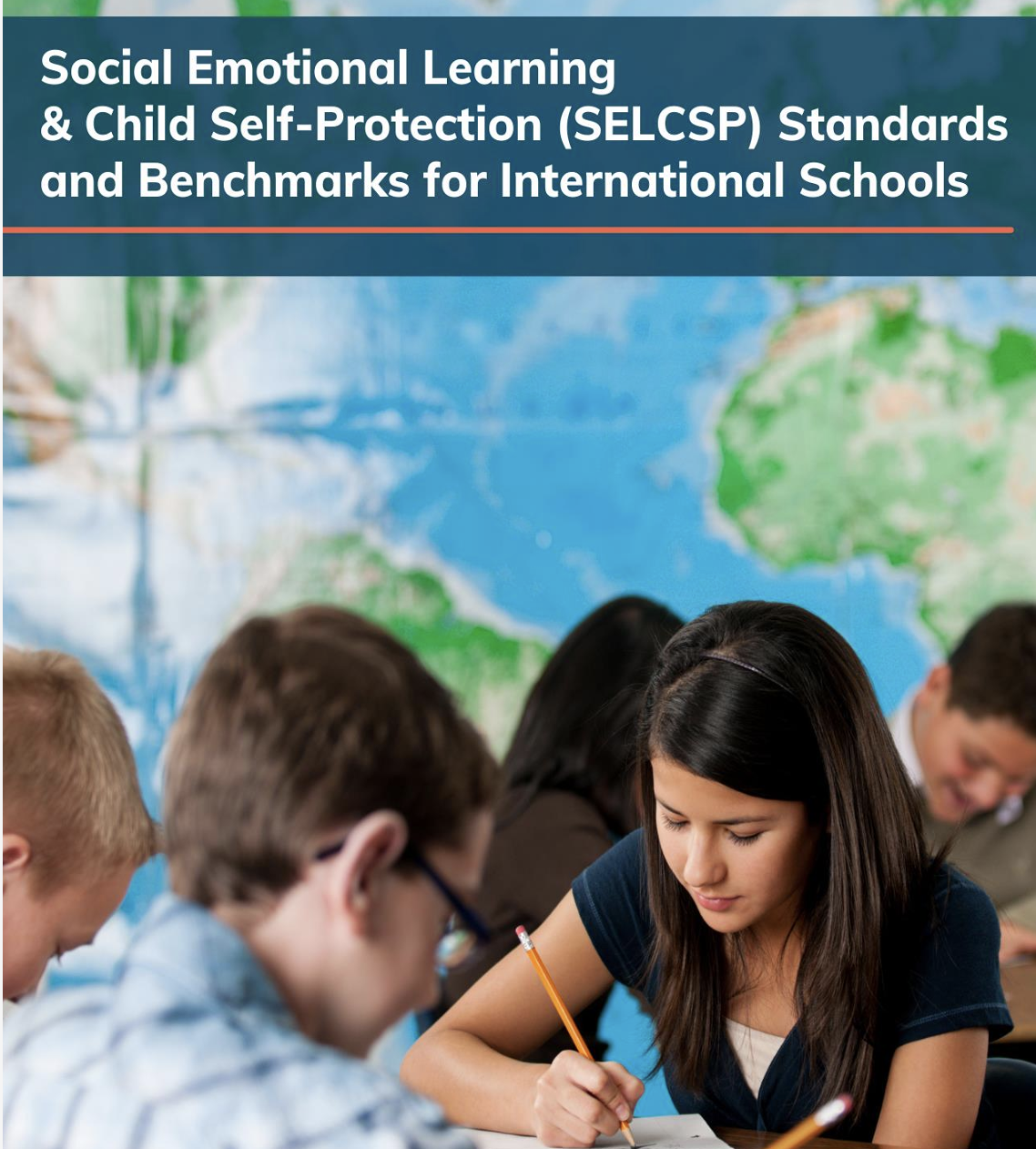
  5. The US State Department Office of Overseas Schools partnered with CASEL to develop Social Emotional Learning & Child Self-Protection Standards and Benchmarks for International Schools
  6. CIS mandates that accredited schools offer CSE.
Diamond-9 Template

Why This School Head Sleeps in Tents

TIS Student Rockclimbing

School leaders have demanding jobs. A board meeting to prep for, budget reviews to finalize, parent concerns to address. As head of school at Tashkent International School, my calendar is always full of urgent meetings and tasks. So when our Grade 9 students packed their gear for a camping expedition in the Chimgan Valley, the practical side of my brain whispered: Stay at school. There’s too much to do. I went anyway. And I’m glad I did.

Today’s teenagers are drowning in digital distractions. Social media algorithms compete for their attention while screens dominate their waking hours. As educators, we’re witnessing anxiety levels spike and attention spans shrink. Something had to change.

TIS Cowboys

That’s why I brought experiential education to TIS—not as a luxury add-on, but as essential medicine for the digital age. We transformed our traditional “School Without Walls” program from comfortable hotel stays and museum tours into something far more challenging: camping under the stars, hiking rugged mountain trails, learning archery, rock climbing, and white-water rafting in Uzbekistan’s majestic wilderness.

The Tahoe Expedition Academy calls it “Constructive Adversity”—a simple but powerful three-step process:

Challenge: Present students with a meaningful task that pushes their boundaries, complete with proper safety protocols and skill-building.

Experience: Guide them through something that tests them emotionally, physically, and mentally.

Reflection: Help them process what they’ve learned and how they’ve grown.

This isn’t about manufacturing artificial hardship. It’s about creating authentic challenges that build the resilience and self-confidence our students desperately need.

S’mores

Sleeping in a tent isn’t heroic leadership, but it sends a clear message: the expectations we set for our students and faculty apply to everyone, including me. Between our Adventure Program and School Without Walls trips, our teachers regularly trade comfortable beds for sleeping bags and rustic accommodations. If I’m asking them to embrace discomfort for the sake of student growth, shouldn’t I be willing to do the same? Don’t get me wrong—I love camping and the outdoors. The challenge isn’t sleeping on the ground; it’s carving out time from an overloaded schedule. 

View from my tent

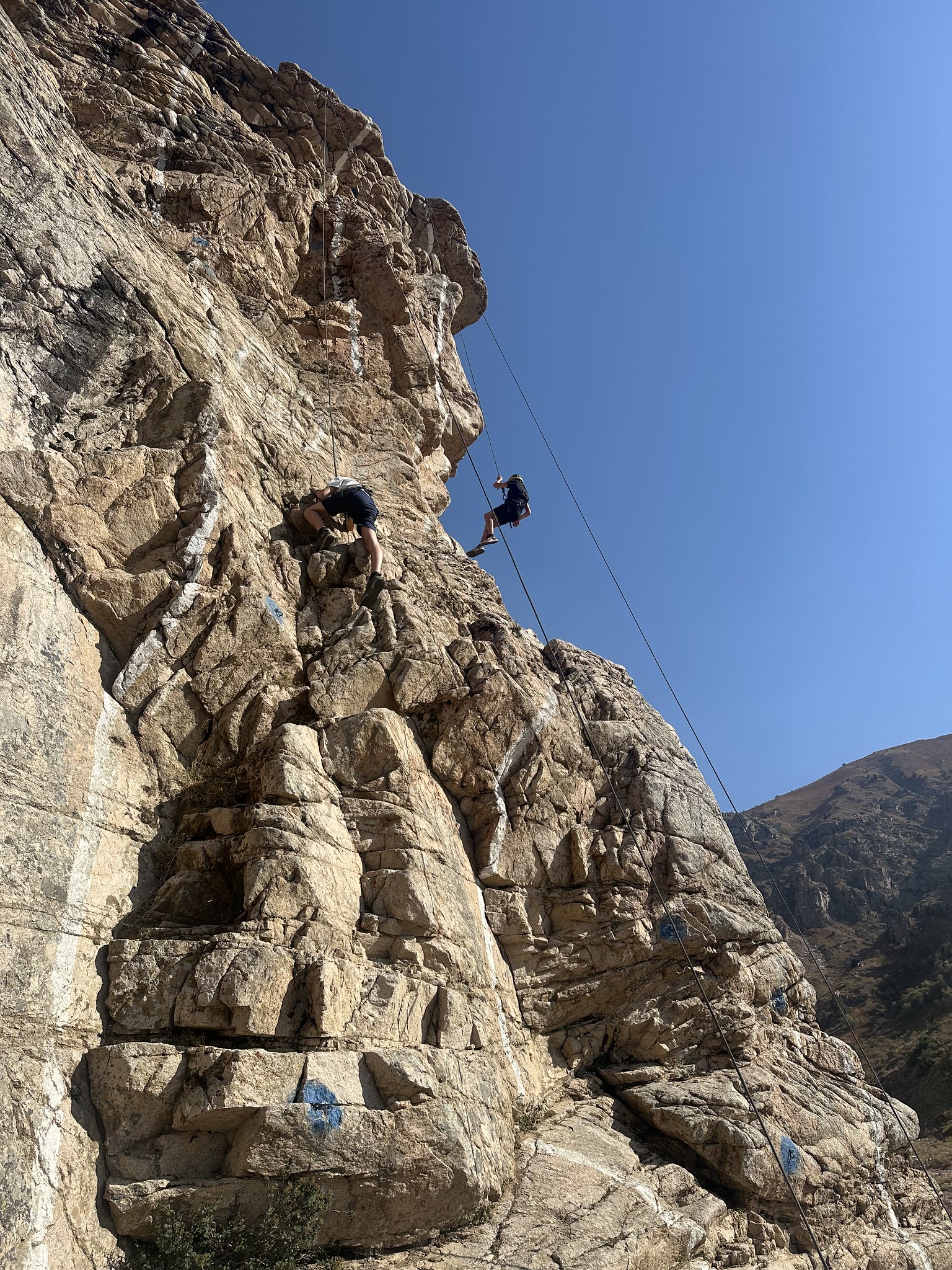
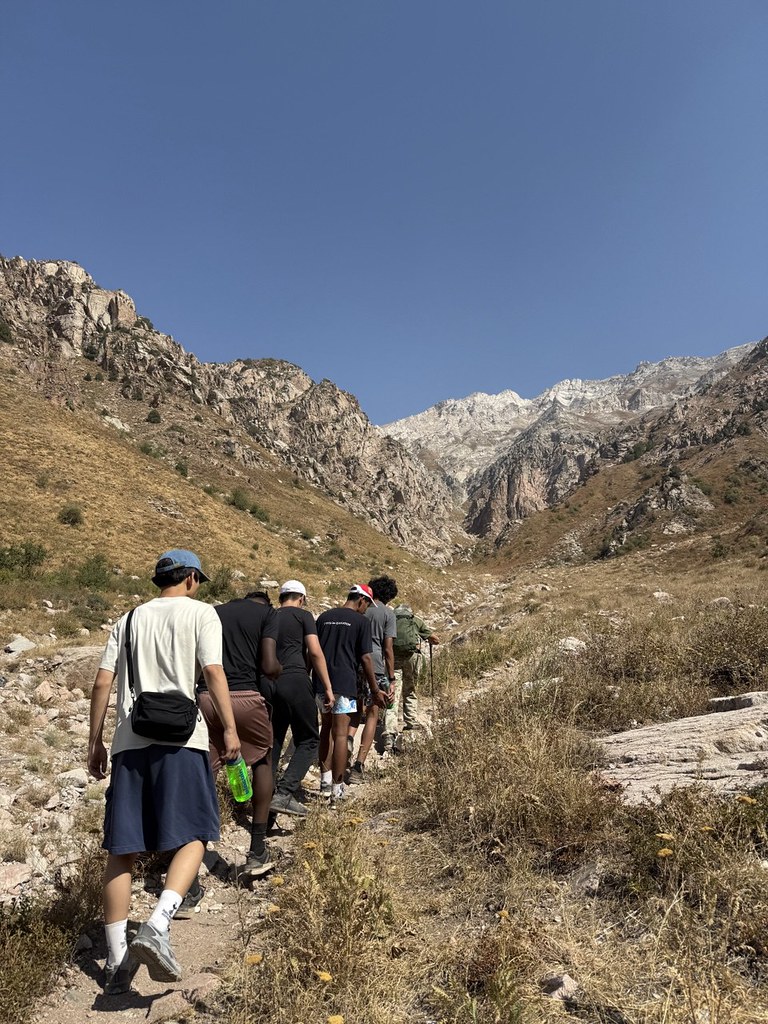
But then it happens. You’re in a gorgeous mountain valley near Chimgan village, and you watch a student overcome their fear to reach the top of a cliff face. You talk with a student who’s never slept in a tent before, watching them discover they’re braver than they thought. These moments don’t happen in boardrooms or budget meetings. The thrill in their eyes, the pride in their voices, the way they carry themselves differently after conquering something they thought impossible—this is why we do what we do. This is education at its most transformative.

These aren’t just feel-good stories—they’re evidence of what happens when we give young people real challenges in real environments. The mountains don’t care about your GPA or your social media following. They demand presence, courage, and authenticity.

Hike

I’m reminded why experiential education matters so much. In a world that’s increasingly virtual, our students need visceral, authentic experiences. They need to learn they can do hard things, sleep under unfamiliar stars, and discover the strength they didn’t know they possessed. The emails will still be waiting when I return. The board meeting will still happen. But the look on a student’s face when they realize they just did something they thought was impossible? That’s irreplaceable.

Sleeping in a tent is not a heroic leadership act, but if we are committed to outdoor education, the head of school should have the same expectations we have for our students and faculty. Between the School Without Walls and our Adventure Program, many of the faculty “rough it” through camping or rustic accomodations. I love camping and the outdoors, so for me it is not a big deal. It is tricky for me to find the time in my calendar to go on some of these trips, and especially this week with a board meeting on the schedule. That concern faded away as I spent time with our grade 9 students in a gorgeous mountain valley near the village of Chimgan. Experiencing the thrill of a student conquering his apprehension and climb to the top of a cliff or talking with a student that has never slept in a tent, makes is all worthwhile.

The effort and care the chaperones put into these trips was first class. The amount of planning and work that go into taking over 300 students into the mountains at various locations, and most importantly, bringing them back safely and feeling it was a worthwhile experience, often goes unnoticed by people. Thank you to the faculty and staff of TIS!

That’s why this head of school sleeps in tents.

First Bell

I still get excited for the first day of school after all these years at international schools. We started the school year on Tuesday with a “First Bell” (первый звонок) ceremony that marks the beginning of the school year in Uzbekistan. The bell symbolizes the “call to knowledge” and marks the transition from summer freedom to the structured world of learning. A preschool student (representing new beginnings) and 12th grade student (representing the culmination of school education) will ring the bells to literally and symbolically, call the students to begin their educational journey for the year. Humoyun and Emily were excellent representatives and as the oldest student, Humoyun calmed an anxious preschool Emily who was not used to being the center of attention. The ceremony took place in our beautiful TIS Park with hopeful parents, students, and employees ready to start the 2025-2026 school year. It only took a few minutes, but these symbolic gestures are important for communities to mark special occasions.

We also had a bit of fun in the secondary school opening assembly introducing the new faculty to the 300 students in the gymnasium. I was inspired by the Michael Jordan Chicago Bulls of the 1990s and used Alan Parsons Project’s “Sirius” and introduced the teachers as they were professional basketball players. I think the students appreciated the entertaining manner of welcoming new and some returning, faculty members.

The PTO capped the week a well received Picnic yesterday. The parents organized activities, including kite flying, face painting, basketball, etc. for students. They absolutely loved it, especially the little ones! We are feeling the increased enrollment with so many more new parents enjoying the festivities.

The Tashkent International School year #31 is off and running!

TIS Artificial Intelligence Policy & Protocols Launched

I love this graphic that a TIS Professional Learning Community devised to help students and teachers integrate Artificial Intelligence in our teaching and learning. All tasks, projects, activities, and assignments will be assigned one of the five categories, “FIRE” or “N” that define how much students can use AI. Teachers are challenged to rethink what they ask the students to do. Content generation assignments are a thing of the past. With AI Large Language Models improving every 30 days or so, it is fascinating to see how this will play out.

The IT director and tech team also created a list of approved AI tools that we can use. The key factor was data privacy. The approved list of AI tools (below) is GDPR compliant. The other limited approval tools are used with caution. We ask that users do not upload school and student identifying information, financial data, etc. while using AI tools from that part of the list.

I would like to thank outgoing IT Director Brian Sullivan, DP Coordinator Stefania Iachelli, and the other teachers on the PLC who contributed to this framework. This is an ongoing process and it will be interesting to see where we are at, both as a school and society, a year from now.

New Teachers Arrive in Tashkent

2025-2026 New Hires and Onboarding Support Staff – Lago Park Restaurant – Tashkent

It is a big responsibility to bring international school teachers and their families to a new country. I want to ensure they feel supported while settling into their new homes. At the end of the Orientation Week, it is my goal to have all of them confirm that they made a good decision in coming to Uzbekistan. It takes a team to make a successful onboarding experience. This starts when they are hired during the last school year and continues until the end of their first year at the school.

I would like to thank the many people who made this a successful onboarding, starting with our HR Manager, Yuliya, to her team of Ahat and Khurshida. To the leadership team, including assistant principals and curriculum coordinators who went above and beyond to meet the individual needs of the newcomers.

I am honored to have the privilege of working with such outstanding people and professionals. This year’s group has all found accommodations this week. The real estate market in Tashkent is always in flux. One recent trend is the availability of new apartments as the city grows. Earlier in my tenure, new apartments were few and far between and most new employees found houses of varying quality. Real estate is generally expensive in Tashkent. We offer generous living allowances for teachers to find their own housing. Often, schools assign housing, but we give everyone a choice. It is more work this way, and it can be a bit stressful at times, but I think it is worth it. We want teachers to be comfortable and ready to teach.

The main goal of Orientation Week is accommodations. It is important for the new teachers to understand the location of the school and the different neighborhoods where our current teachers live. After they establish an address, comes registering with the government, setting up a bank account, getting a SIM for their mobile phones, etc. Finally, we want them to see the school, get their laptops, and start thinking about classroom set up and prepping for the arrival of the students on August 19.